


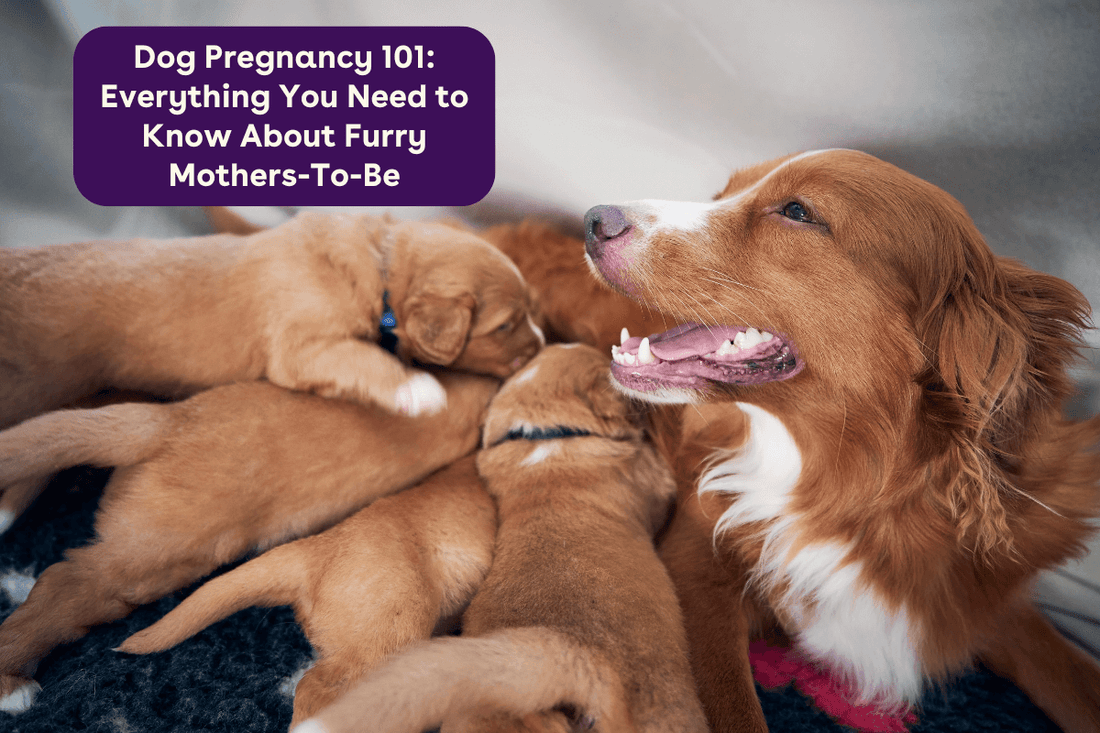
Bringing a litter of puppies into the world is an exciting and transformative experience for any pup parent. Dog pregnancy, also known as gestation, involves several stages and requires special care to ensure the health and well-being of both the mother and her puppies. Whether you're a first-time breeder or a concerned pet parent, understanding the fundamentals of dog pregnancy can help you provide the best possible care for your furry friend during this crucial time.
Table of Contents:
- Understanding Dog Pregnancy
- Preparing for Pregnancy
- During Pregnancy
- Birth and Postpartum Care
- Needs of Newborn Puppies
- Ethical Breeding Practices
Understanding Dog Pregnancy

The Basics of Canine Reproduction
Dog pregnancy begins with mating, where the male's sperm fertilizes the female's eggs. Unlike humans, where conception can be pinpointed to a specific moment, dogs' fertility window and exact conception timing can vary.
Gestation Period
The average gestation period for dogs is around 63 days, although this can vary from 58 to 68 days depending on factors such as breed, size, and individual health. Large breeds tend to have shorter gestation periods compared to smaller breeds.
Signs of Pregnancy
Early signs of pregnancy in dogs may include changes in appetite, lethargy, and mild behavioral changes. Around 25-30 days after conception, a veterinarian can confirm pregnancy through physical examination or ultrasound.
Preparing for Pregnancy

Health and Nutrition
Before breeding, ensure both the male and female dogs are in good health. Proper nutrition, including a balanced diet rich in vitamins and minerals, is crucial for reproductive health.
Consider adding Super Pup to your pup's daily diet to provide them with essential vitamins and nutrients!
Veterinary Care
Schedule a pre-breeding check-up with your veterinarian to assess the health of the prospective mother. This includes vaccinations, parasite control, and screening for any underlying health conditions that could affect pregnancy.
Creating a Whelping Area
Prepare a quiet, clean, and comfortable whelping area where the mother can give birth and care for her puppies. Provide bedding that is safe and easy to clean.
Tip: A kiddie pool is a great tool for this because it can easily be cleaned, provides a cozy space for mom and babies, keeps babies inside due to the edge of the pool, and can easily be customized with bedding to mom’s liking.
During Pregnancy

Monitoring Health
Monitor the mother's weight and body condition closely. Regular veterinary check-ups are essential to ensure the pregnancy progresses smoothly and to address any concerns promptly.
Nutritional Needs
Adjust the mother's diet as advised by your veterinarian to accommodate her changing nutritional requirements. High-quality puppy food or specialized diets may be recommended during late pregnancy and lactation.
Behavioral Changes
The mother may exhibit nesting behaviors as she prepares for birth. Provide emotional support and a calm environment to reduce stress.
Birth and Postpartum Care

Signs of Labor
Recognize signs of impending labor, such as restlessness, nesting, and a drop in body temperature. Labor typically progresses in stages, with the birth of each puppy separated by intervals of rest.
Giving Birth
Dogs usually give birth without human intervention. The first stage of labor involves uterine contractions and dilation of the cervix. The second stage is active labor, where puppies are born. The mother may alternate between actively pushing and resting. Puppies are usually born in a thin, transparent membrane called the amniotic sac, which the mother typically breaks and cleans off herself.
Postpartum Care
Monitor the mother and puppies closely after birth. Ensure the puppies are nursing and gaining weight. Watch for signs of maternal complications, such as fever or excessive bleeding, and seek veterinary attention if concerns arise.
Needs of Newborn Puppies

Immediate Care
Newborn puppies are born blind, deaf, and unable to regulate their body temperature. Keep the whelping area warm and draft-free. Ensure each puppy is breathing well and remove any membranes covering their faces to help them breathe freely.
Nursing and Colostrum
Colostrum, the first milk produced by the mother, is rich in antibodies and essential nutrients. Encourage puppies to nurse within the first few hours after birth to receive these vital nutrients and establish bonding with their mother.
Weight Gain and Development
Monitor each puppy's weight daily to ensure they are gaining weight consistently. Puppies should double their birth weight within the first week of life. If a puppy is not gaining weight or appears weak, consult your veterinarian promptly.
Socialization and Stimulation
Handle newborn puppies gently and frequently to promote socialization. Early tactile stimulation helps puppies become more adaptable and less fearful as they grow older.
Ethical Breeding Practices

Avoiding Accidental Litters
Responsible and ethical breeding involves planning and ensuring that both the male and female dogs are healthy, genetically sound, and of suitable age. Accidental litters can contribute to pet overpopulation and may lead to unwanted health or behavioral issues in puppies.
Health Screening
Prioritize health screenings for both parents, including genetic testing for breed-specific conditions. This helps reduce the risk of passing on hereditary diseases to the puppies.
Socialization and Temperament
Consider the temperament and socialization of the parent dogs. Puppies can inherit behavioral traits, so it's essential to breed dogs with stable, desirable temperaments to promote well-adjusted offspring.
Finding Responsible Homes
Screen potential puppy adopters carefully to ensure they are committed to providing lifelong care. Educate new pup parents about responsible pet caretaking, including spaying and neutering, regular veterinary care, and humane training methods.
Dog Pregnancy 101 Recap
Dog pregnancy is a natural process, but it requires careful attention and ethical considerations to ensure a positive outcome for both the mother and her puppies.
By understanding the stages of pregnancy, providing appropriate care, and adhering to responsible breeding practices, you can help your furry mother-to-be navigate this journey with comfort and confidence.
We encourage you to consult with your veterinarian and breed responsibly to promote the health and well-being of future generations of dogs.
Did your dog just have a litter of puppies? Be sure to have all of their adopters sign up for our 30-Day Perfect Pup Training Course!


