


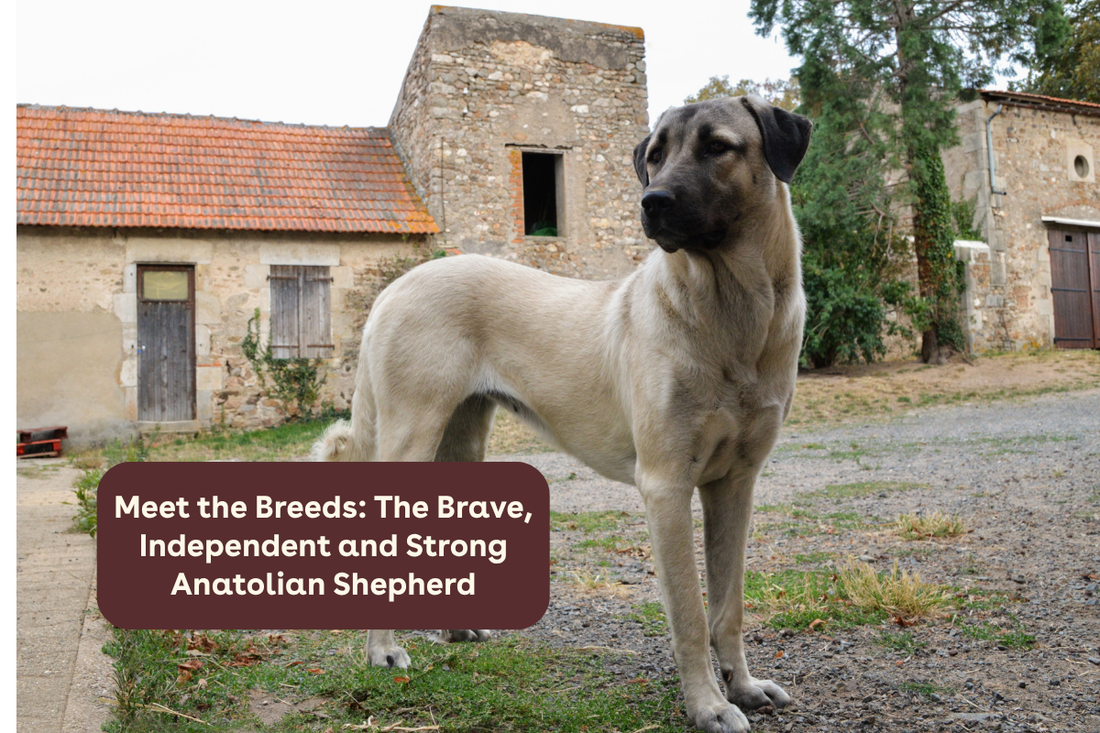
The Anatolian Shepherd is a powerful livestock guardian breed known for its independence, loyalty, and protective instincts. Originally developed to protect flocks from predators, these dogs have spent thousands of years working alongside humans in some of the harshest environments on earth.
While their impressive size and calm demeanor can make them look like gentle giants, Anatolian Shepherds are highly intelligent working dogs that thrive when given a job to do. Understanding their history, temperament, and care needs can help determine whether this remarkable breed is the right fit for your family.
Table of Contents:
- History of the Anatolian Shepherd
- Breed Development
- Roles in Society
- Life Expectancy and Health
- Comprehensive Care
- Busting Breed Myths
- Fun Facts About Anatolian Shepherd
History of the Anatolian Shepherd

The Anatolian Shepherd traces its roots back thousands of years to the Anatolia region of modern-day Turkey. These dogs were developed by shepherds who needed a reliable guardian capable of protecting livestock from predators such as wolves, bears, and jackals.
Unlike many breeds that were developed for companionship or specific sporting purposes, Anatolian Shepherds were bred almost exclusively for their working ability. Their size, strength, endurance, and natural guarding instincts allowed them to work independently while protecting flocks across vast landscapes.
Because survival depended on their performance, generations of selective breeding produced a resilient and highly capable livestock guardian.
Breed Development
Anatolian Shepherds were developed to withstand extreme weather conditions while remaining alert and capable of defending livestock.
Their large frame provides the physical presence needed to deter predators, while their thick double coat helps insulate them from both heat and cold. Unlike herding breeds that move livestock, Anatolian Shepherds were bred to stay with and protect their flock.
One of the most unique aspects of the breed's development is its emphasis on independent decision-making. Shepherds often relied on these dogs to work far from human supervision, which helped shape the breed's confident and self-sufficient personality.
Today, many Anatolian Shepherds still display the same instincts that made them effective livestock guardians centuries ago.
Roles in Society

Guarding Livestock
Anatolian Shepherds are best known for guarding livestock.
Today, many continue working on farms and ranches, protecting sheep, goats, cattle, and other animals from predators. Their natural instincts often allow them to excel in these environments with minimal training.
Family Companions
Some Anatolian Shepherds live as family companions, though they are generally best suited for experienced dog guardians who understand working breeds. They are loyal and devoted to their families but often remain reserved around strangers.
Conservation and Wildlife Protection
One of the most remarkable modern roles of the Anatolian Shepherd is helping reduce human-wildlife conflict around the world.
For thousands of years, Anatolian Shepherds have protected livestock from predators without relying on lethal force. Today, that same instinct is helping conservation organizations protect vulnerable wildlife populations while supporting farmers and ranchers.
In many parts of the world, predators such as cheetahs, leopards, and snow leopards occasionally prey on livestock. Historically, these losses often led farmers to kill the predators in retaliation, contributing to population declines among already threatened species.
Anatolian Shepherds provide a humane alternative. As livestock guardian dogs (LGDs), they live alongside herds and use their size, territorial behavior, barking, and presence to discourage predators from approaching. Rather than chasing or attacking wildlife, they help prevent conflicts before they occur.
One of the most successful examples is the Cheetah Conservation Fund's Livestock Guarding Dog Program in Namibia. Since launching in 1994, the program has placed more than 1,500 Anatolian Shepherds with farmers throughout Namibia, South Africa, and Tanzania.
The results have been impressive:
- Livestock losses have decreased by 80% to 100% on participating farms.
- Cheetah killings have dropped by more than 90% in project areas.
- Many farmers report improved attitudes toward predators, viewing them as part of the ecosystem rather than a threat to their livelihood.
Puppies in the program are raised alongside livestock from an early age, allowing them to form strong bonds with the animals they are tasked with protecting. Their effectiveness has helped demonstrate how working dogs can play a valuable role in both agriculture and wildlife conservation.
Similar programs have been implemented throughout South Africa, where Anatolian Shepherds have reduced livestock losses by as much as 95% to 100% in some regions. Their work has helped protect species such as cheetahs and Cape leopards while allowing farmers to continue raising livestock successfully.
The Anatolian Shepherd's ability to safeguard both domestic animals and wildlife makes it one of the most influential livestock guardian breeds in modern conservation efforts.
Life Expectancy and Health
Anatolian Shepherds typically live between 11 and 13 years, which is relatively long for a giant breed.
Like all dogs, they can be prone to certain health conditions, including:
- Hip dysplasia
- Elbow dysplasia
- Bloat (gastric dilatation-volvulus)
- Hypothyroidism
- Entropion (an eyelid condition)
Responsible breeding practices and regular veterinary care can help reduce the risk of many inherited health concerns.
Because large-breed dogs mature more slowly than smaller breeds, proper nutrition during puppyhood is especially important to support healthy growth and development.
💖Shop Pupford Good Dog Food
Comprehensive Care

Exercise Needs
Anatolian Shepherds are not as energetic as some working breeds, but they still require regular physical activity and mental enrichment.
Daily walks, opportunities to patrol secure areas, and enrichment activities can help keep them physically and mentally satisfied.
Training
Early socialization and positive reinforcement training are essential.
Anatolian Shepherds are highly intelligent but often independent thinkers. Rather than blindly following cues, they tend to evaluate situations and make decisions for themselves.
Training should focus on building trust, clear communication, and consistency. Harsh training methods can damage the relationship and are generally less effective than reward-based approaches.
🐶Understanding the Science: Why Punishing Your Dog Isn't the Answer | Pupford
Grooming
Their double coat requires regular brushing, particularly during seasonal shedding periods.
Most Anatolian Shepherds only need occasional baths unless they become especially dirty. Routine nail trims, ear checks, and dental care should also be part of their grooming routine.
Nutrition
A complete and balanced diet is essential for supporting the health of a large working breed.
Choosing high-quality nutrition that provides adequate protein, healthy fats, vitamins, and minerals can help support muscle maintenance, energy levels, and overall wellness throughout their lives.
Busting Breed Myths
Myth #1: Anatolian Shepherds Are Aggressive
Anatolian Shepherds are protective, not inherently aggressive.
When properly socialized, they are typically calm, confident, and discerning. Their guarding instincts may make them cautious around unfamiliar people or animals, but aggression is not a defining breed trait.
Myth #2: They Make Great First-Time Dogs
While every dog is an individual, Anatolian Shepherds are generally not recommended for first-time dog guardians.
Their size, independence, and strong protective instincts can be challenging for inexperienced handlers.
Myth #3: They Need Constant Exercise
Unlike some high-energy working breeds, Anatolian Shepherds are often surprisingly calm.
They benefit from regular activity but are not typically driven by endless games of fetch or intense exercise sessions.
Myth #4: They Can Live Anywhere
Anatolian Shepherds often do best in homes with ample space and secure fencing.
Their natural instinct to patrol and protect territory can make apartment living challenging for many individuals.
Fun Facts About Anatolian Shepherd

- Anatolian Shepherds can weigh well over 100 pounds.
- They were originally developed to guard livestock rather than herd it.
- Their protective instincts often emerge naturally, even without formal guard dog training.
- They are known for their impressive endurance and ability to work in extreme climates.
- Some Anatolian Shepherds have been used in conservation programs to help reduce conflicts between livestock farmers and predators such as cheetahs.
- Despite their size and strength, many Anatolian Shepherds form incredibly strong bonds with their families and can be gentle and affectionate companions.
Recap: The Brave, Independent, and Strong Anatolian Shepherd
The Anatolian Shepherd is a remarkable breed with a long history of protecting livestock and working alongside humans. Their intelligence, loyalty, and independence make them uniquely suited for guardian work, but those same traits require thoughtful training and management.
For experienced dog guardians who appreciate working breeds and can provide appropriate structure, enrichment, and space, the Anatolian Shepherd can be a devoted companion and capable protector.


