


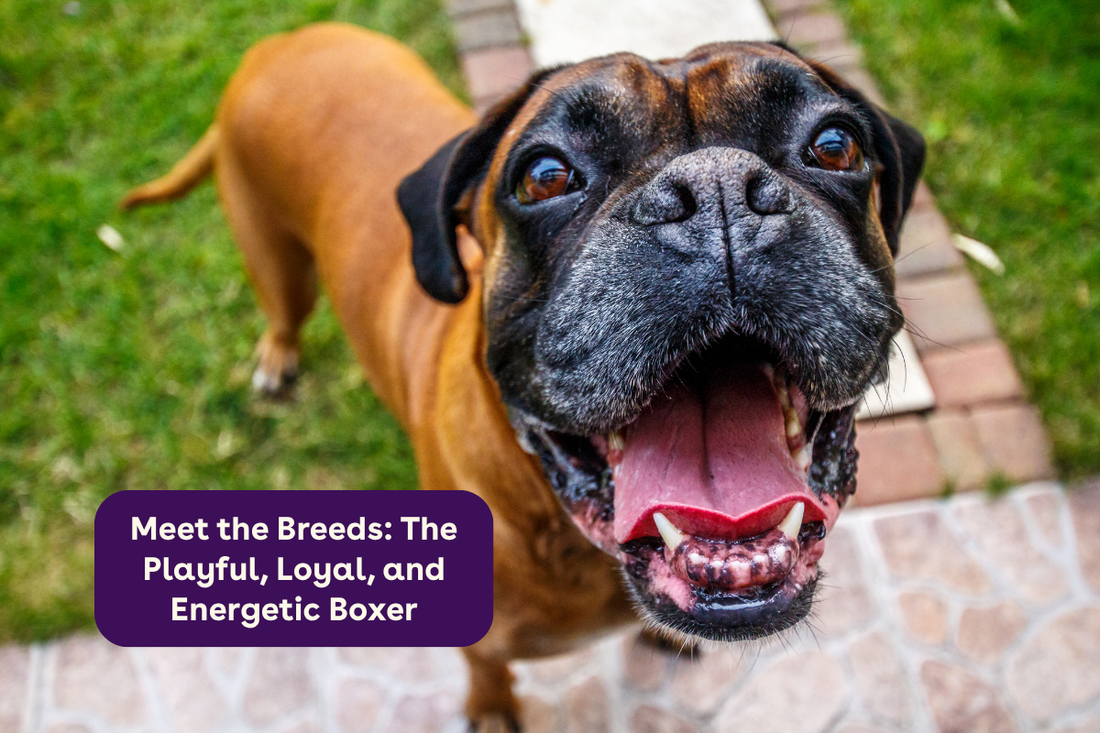
Whether they're bouncing around the backyard, snuggling on the couch, or keeping a watchful eye on their family, Boxers have a way of bringing endless energy and affection into every home. Known for their expressive faces, athletic build, and goofy personalities, Boxers are equal parts clown and protector.
Originally developed as working dogs in Germany, Boxers have become one of the most beloved family breeds around the world. They thrive on companionship, excel in training, and are happiest when they have a job to do, whether that's participating in dog sports, hiking alongside their pup parent, or simply entertaining everyone with their signature "Boxer wiggle."
While they're known for their playful nature, Boxers also require consistent training, daily exercise, and plenty of mental enrichment to help them become well-rounded companions.
Let's take a closer look at what makes this iconic breed so special.
Table of Contents
- History of the Boxer
- Breed Development
- Roles in Society
- Life Expectancy and Health
- Comprehensive Care
- Busting Breed Myths
- Fun Facts About Boxers
History of the Boxer

The Boxer traces its roots back to 19th-century Germany, where breeders developed the breed from the now-extinct Bullenbeisser, a powerful hunting dog used to pursue large game such as wild boar, deer, and bears. The Bullenbeisser was known for its strength, courage, and ability to hold prey until hunters arrived.
As hunting practices changed and large-game hunting became less common, breeders crossed the Bullenbeisser with English Bulldogs to create a more versatile working dog. The result was a breed that maintained athleticism and courage while becoming more people-oriented and adaptable.
The modern Boxer was officially developed in Munich, Germany, during the late 1800s. In 1895, the first Boxer Club was established, and breed standards soon followed. The breed quickly gained popularity throughout Europe for its intelligence, loyalty, and willingness to work.
Boxers arrived in the United States in the early 1900s but saw a surge in popularity after World War II, when returning soldiers brought admiration for the breed home with them. Since then, they've remained one of the most popular family dogs in North America.
Today, Boxers continue to serve as loving companions while also excelling in sports, service work, and canine competitions.
Breed Development

The Boxer was intentionally bred to combine the best qualities of several working breeds.
Breeders wanted a dog that possessed:
- Strength without unnecessary bulk
- Agility and speed
- High intelligence
- Strong protective instincts
- A stable, affectionate temperament
- A willingness to work closely with humans
Unlike some guardian breeds that are naturally reserved, Boxers were developed to form deep bonds with their families while remaining alert around strangers. This balance makes them excellent watchdogs that are typically friendly once properly introduced.
Their athletic body reflects this history. Boxers have deep chests, muscular hindquarters, and remarkable endurance. Their powerful jumps and quick bursts of speed make them natural athletes, while their expressive faces and playful antics reveal their softer side.
One of the breed's defining characteristics is its slow emotional maturity. Many Boxers maintain puppy-like behavior well into adulthood, often not reaching full maturity until they're around three years old. While this playful personality is part of their charm, it also means ongoing training and patience are important during adolescence.
🐕Canine Adolescence: Understand Why Your Dog Acts Like a Teenager – Pupford
Roles in Society

Although many people know Boxers as affectionate family pets, they've held many important jobs throughout history.
Family Companion
Today, the Boxer is primarily known as an outstanding companion dog.
Their affectionate personality, loyalty, and enthusiasm make them wonderful additions to active households. They generally love participating in family activities and often prefer being wherever their people are.
Guardian
Boxers are naturally alert without being overly aggressive.
They often make excellent watchdogs because they'll notify their family when something seems unusual. Their imposing appearance alone is often enough to deter unwanted visitors.
Proper socialization helps ensure they remain confident rather than fearful around unfamiliar people and situations.
❤️Debunking Common Dog Socialization Myths: A Guide for Every Pup Parent – Pupford
Military and Police Work
During both World Wars, Boxers served alongside military personnel as messenger dogs, guard dogs, and supply carriers.
Their intelligence, athleticism, and trainability made them valuable working partners.
Service and Therapy Dogs
Many Boxers also succeed as service dogs and therapy dogs.
Their eagerness to learn and close connection with people allows them to assist individuals with disabilities or provide emotional support in hospitals, schools, and care facilities.
Dog Sports
Thanks to their athletic ability, Boxers excel in activities such as:
- Agility
- Rally
- Obedience
- Dock diving
- Scent work
- Barn Hunt
- Tracking
Participating in sports provides excellent physical exercise while also satisfying their need for mental stimulation.
🐶Intro to Dog Sports: An Interview with Trevor Smith CPDT-KA | Pupford
Life Expectancy and Health

Boxers are generally energetic, affectionate, and resilient dogs, but like many purebred breeds, they can be prone to certain health conditions. Understanding their unique needs and providing proactive veterinary care can help your Boxer live a longer, healthier life.
The average lifespan of a Boxer is typically 10–12 years, though some Boxers live longer with excellent care, proper nutrition, regular exercise, and preventative veterinary visits.
Because Boxers are active, muscular dogs, maintaining a healthy weight and supporting their joints, heart, and overall wellness are important throughout every stage of life.
Common Health Concerns in Boxers
While not every Boxer will experience these conditions, pup parents should be aware of some health issues that occur more frequently within the breed.
Heart Conditions
Boxers are more prone to certain heart conditions, including:
- Aortic stenosis: A narrowing near the heart that can affect blood flow.
- Arrhythmogenic right ventricular cardiomyopathy (ARVC): A condition affecting the heart muscle that can cause abnormal heart rhythms.
Regular veterinary checkups can help identify potential heart concerns early. Your veterinarian may recommend additional screenings depending on your Boxer’s age, family history, and symptoms.
Cancer
Unfortunately, Boxers have a higher risk of developing certain cancers compared to some other breeds. Common cancers seen in Boxers include mast cell tumors and lymphoma.
Regularly checking your dog for unusual lumps, bumps, or changes in behavior can help catch concerns early. Any new growths should be evaluated by your veterinarian.
Hip Dysplasia
Hip dysplasia occurs when the hip joint does not develop properly, which can eventually lead to discomfort, arthritis, and mobility issues.
Maintaining a healthy weight, providing appropriate exercise, and supporting joint health can help reduce stress on your Boxer’s joints.
Brachycephalic-Related Concerns
Boxers are considered a brachycephalic breed because of their shorter muzzle. While they are not as flat-faced as breeds like Bulldogs or Pugs, their facial structure can still make them more sensitive to heat and intense exercise.
Pup parents should be mindful of:
- Exercising during cooler parts of the day
- Providing plenty of water
- Watching for signs of overheating
- Avoiding strenuous activity in extreme temperatures
Allergies and Skin Issues
Some Boxers experience environmental or food sensitivities that can contribute to:
- Itchy skin
- Ear infections
- Paw licking
- Skin irritation
Working with your veterinarian can help identify potential triggers and develop an appropriate management plan.
👉Can Dogs Get Allergies? + Symptoms, Treatments & More | Pupford
Comprehensive Care

A Boxer's ideal care routine includes consistent training, plenty of activity, enrichment opportunities, and a strong relationship with their family.
Exercise Needs
Boxers are athletic dogs with plenty of energy to burn. Daily exercise is essential for keeping them physically healthy and preventing boredom-related behaviors.
Most adult Boxers benefit from:
- Daily walks
- Play sessions
- Training games
- Interactive toys
- Opportunities to run and explore safely
Activities like fetch, hiking, agility, and scent games are great ways to engage both their bodies and minds.
However, because of their risk of overheating, exercise should always be adjusted based on weather conditions. Shorter walks, indoor enrichment, and training games can be excellent alternatives during hot weather.
❤️How to Exercise Your Dog Indoors: 21 Games, Ideas and Exercises | Pupford
Training and Mental Enrichment
Boxers are highly intelligent and typically eager to learn, but their playful personality can sometimes make training feel like a challenge.
They often mature slowly and may maintain their puppy-like enthusiasm for several years. Positive reinforcement training helps channel their energy into appropriate behaviors while strengthening the bond between dog and pup parent.
Great training goals for Boxers include:
- Loose leash walking
- Reliable recall
- Impulse control
- Polite greetings
- Place or settle training
- Trick training
Because Boxers are people-oriented, they often respond best when training feels like a fun activity rather than a strict routine.
Short, engaging training sessions with rewards like treats, praise, and play can help keep them motivated.
Socialization
Early socialization is an important part of raising a confident Boxer.
Positive exposure to different:
- People
- Dogs
- Environments
- Sounds
- Experiences
helps puppies learn how to navigate the world comfortably.
A well-socialized Boxer is more likely to approach new situations with confidence rather than uncertainty.
Nutrition
A balanced diet plays an important role in supporting a Boxer's active lifestyle.
Boxers benefit from nutrition that supports:
- Healthy muscles
- Joint health
- Skin and coat condition
- Digestive health
- Maintaining an ideal body weight
Because Boxers are prone to certain health concerns, feeding an appropriate diet and avoiding overfeeding is especially important. Your veterinarian can help determine the right food, portion size, and feeding schedule based on your dog’s age, activity level, and individual needs.
Grooming
Boxers have short, smooth coats that are relatively low maintenance.
A typical grooming routine includes:
- Weekly brushing to remove loose hair
- Regular nail trims
- Routine ear cleaning
- Dental care
- Occasional baths as needed
Although they have short coats, Boxers do shed. Regular brushing can help keep shedding under control and maintain healthy skin.
Busting Breed Myths

Myth #1: Boxers Are Naturally Aggressive
Reality: Boxers are often misunderstood because of their muscular build and protective instincts.
While they can be excellent watchdogs, a properly socialized and trained Boxer is typically affectionate, playful, and friendly.
Like any breed, behavior depends on genetics, early experiences, training, and individual personality, not appearance alone.
Myth #2: Boxers Are Too Difficult to Train
Reality: Boxers are intelligent dogs who are capable of learning a wide variety of behaviors.
Their biggest challenge is often their enthusiasm. A young Boxer may be more interested in playing than focusing, but consistent positive reinforcement training can help them become wonderful companions.
Their eagerness to interact with people is actually one of their greatest training strengths.
Myth #3: Boxers Need Endless Exercise
Reality: Boxers are energetic, but they also love relaxing with their families.
They need regular physical activity and mental stimulation, but a balanced routine that includes walks, play, training, and downtime is usually enough to keep them happy.
Many Boxers are famous for their ability to go from energetic playtime to full-body couch cuddles.
Myth #4: Boxers Are Not Good Family Dogs
Reality: Boxers are often exceptional family companions.
Their affectionate, playful personalities make them popular among families with children. Of course, every dog is an individual, and interactions between dogs and children should always be supervised.
With proper socialization and training, Boxers can form incredibly strong bonds with their families.
Fun Facts About Boxers

1. Their Name May Come From Their Play Style
One theory behind the Boxer’s name is related to their unique way of playing. Boxers often stand on their hind legs and use their front paws to "box" at their playmates, toys, or humans.
This playful behavior is one of the breed’s most recognizable traits.
2. Boxers Have a Famous “Wiggle”
Many Boxers express excitement by moving their entire body instead of just wagging their tail.
Their famous “wiggle” is a combination of their enthusiasm, athletic build, and joyful personality.
3. They Are Known for Being Clowns
Boxers are often described as one of the goofiest dog breeds.
From silly facial expressions to dramatic play behaviors, they have a natural ability to make their families laugh.
4. Boxers Were Among the First Police Dogs
Before modern police dog breeds became popular, Boxers were used for police and military work because of their intelligence, courage, and trainability.
5. They Have a Long Puppyhood
Many Boxers maintain puppy-like behaviors well into adulthood.
Their playful nature is part of what makes them so lovable, but it also means they benefit from continued training and enrichment throughout their lives.
Recap: Is a Boxer Right for You?
The Boxer is a devoted, energetic, and affectionate breed that thrives on connection with their family.
They are best suited for pup parents who are ready to provide:
- Daily exercise
- Consistent positive reinforcement training
- Mental enrichment
- Socialization opportunities
- Plenty of companionship
In return, Boxers offer unwavering loyalty, endless entertainment, and a friendship that lasts a lifetime.
If you’re looking for a dog who will adventure with you, make you laugh every day, and happily curl up beside you at the end of the day, the Boxer may be the perfect companion.


