


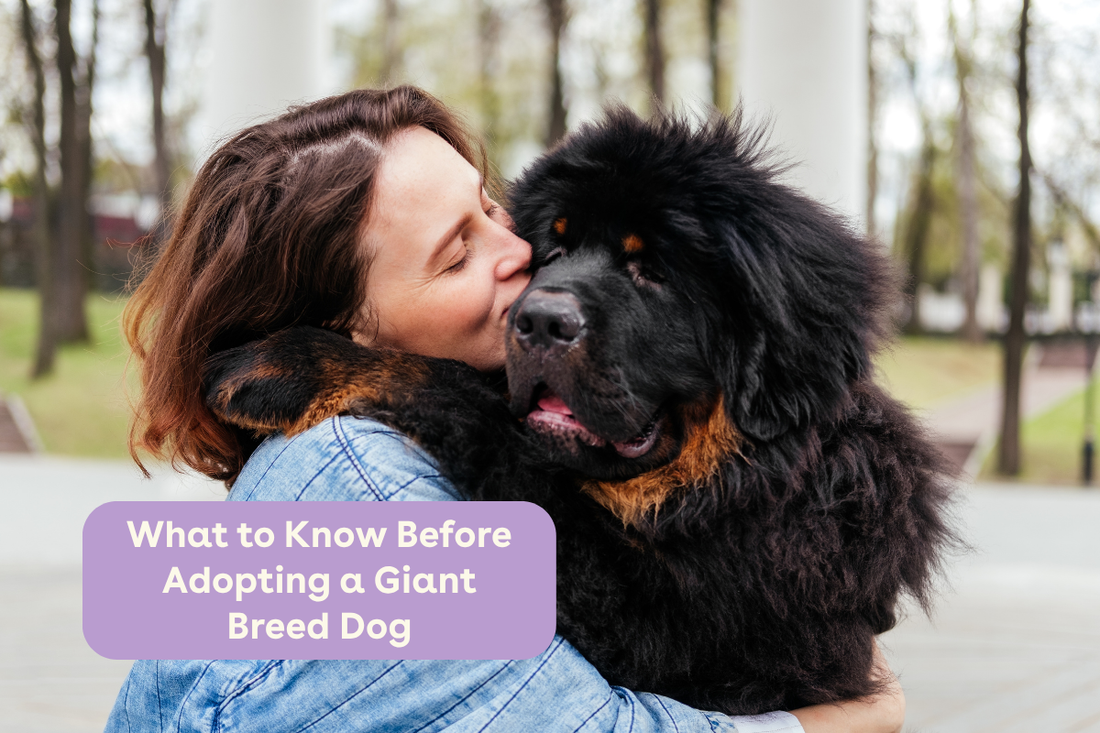
Bringing home a giant breed dog is an exciting, life-changing decision. These gentle giants are known for their loyalty, affectionate personalities, and undeniable presence—but they also come with unique needs that every pup parent should understand before making the commitment.
Whether you’re considering a Great Dane, Saint Bernard, Mastiff, or another large companion, this guide will walk you through everything you need to know—from space requirements and nutrition to training, health, and daily life.
Table of Contents
- What Is Considered a Giant Breed Dog?
- Temperament and Personality Traits
- Space and Lifestyle Considerations
- The Cost of Owning a Giant Breed
- Nutrition and Feeding Needs
- Training and Socialization
- Health Considerations and Lifespan
- Exercise and Joint Care
- Grooming and Maintenance
- Is a Giant Breed Dog Right for You?
- FAQs
What Is Considered a Giant Breed Dog?

Giant breed dogs are typically classified as dogs that weigh over 90–100 pounds at full maturity. Many of these dogs can easily exceed 120 pounds and stand several feet tall when on their hind legs.
Some common giant breeds include:
- Great Danes
- Saint Bernards
- Mastiffs
- Irish Wolfhounds
- Newfoundlands
While their size is the most obvious trait, it’s their slower growth rate, unique health considerations, and specific care needs that truly set them apart.
Temperament and Personality Traits

One of the biggest surprises for new pup parents is just how gentle and affectionate giant breed dogs can be. Many are often described as “gentle giants” for a reason.
These dogs tend to:
- Form deep bonds with their families
- Be calm and laid-back indoors
- Show patience with children (with proper supervision)
- Prefer companionship over independence
However, their size means even small behaviors, like jumping or pulling on leash, can become big problems if not addressed early.
💖Relaxed Dogs for Relaxed People: The Best Companion Pups – Pupford
Space and Lifestyle Considerations

Contrary to popular belief, giant breed dogs don’t always need acres of land, but they do need space to move comfortably.
Before adopting, ask yourself:
- Do I have enough room for a large dog to stretch out and relax?
- Can my home accommodate a large crate or bed?
- Am I okay with a dog that may take up most of the couch?
Apartment living isn’t impossible, but it requires intentional exercise, consistent routines, and a commitment to getting your dog outside regularly.
🐶Apartment Living with Dogs: How to Choose and Care for Your Pup | Pupford
The Cost of Owning a Giant Breed

Giant dogs come with giant expenses; and it’s not just about food.
Here’s what typically costs more:
- Food (significantly higher daily intake)
- Vet care (medications and procedures often scale with weight)
- Supplies (beds, crates, harnesses, toys)
- Grooming (for long-coated breeds)
Even routine costs like flea/tick prevention and joint supplements are more expensive due to dosage requirements.
Nutrition and Feeding Needs

Nutrition is one of the most important factors in raising a healthy giant breed dog, especially during their growth phase.
These dogs require:
- Controlled growth to protect developing joints
- Balanced calcium and phosphorus levels
- High-quality protein for muscle development
🐕How Much Exercise Does a Puppy Need? + Safety Guidelines | Pupford
Overfeeding or choosing the wrong diet can lead to serious issues like joint disorders or rapid growth complications.
That’s why many pup parents are turning to options like freeze-dried raw, which provide complete and balanced nutrition without the hassle of frozen storage or meal prep. A scoopable, shelf-stable formula, like Pupford’s Good Dog Food, can make feeding simpler while still supporting digestion, joints, and overall health.
Training and Socialization

Training a giant breed dog isn’t optional, it’s essential.
A 120-pound dog that pulls on leash or jumps on guests can quickly become overwhelming. The good news? Most giant breeds respond incredibly well to positive reinforcement training.
Focus on:
- Leash manners early
- Basic obedience (sit, stay, come, down)
- Impulse control (waiting at doors, calm greetings)
- Exposure to different environments and people
Consistency is key. Start training as early as possible, even in the first few days after bringing your dog home.
The good news? You can start training for FREE with Pupford’s 30 Day Perfect Pup Course
Health Considerations and Lifespan

One of the hardest realities of owning a giant breed dog is their shorter lifespan. Many giant breeds live between 7–10 years, though this can vary.
They’re also more prone to certain health issues, including:
- Joint problems (hip and elbow dysplasia)
- Bloat (gastric dilatation-volvulus)
- Heart conditions
- Arthritis
Preventative care plays a huge role here. Regular vet visits, proper nutrition, weight management, and appropriate exercise can make a significant difference in your dog’s quality of life.
Exercise and Joint Care

Giant breed dogs need daily exercise, but not excessive or high-impact activity, especially during puppyhood.
Too much stress on developing joints can lead to long-term damage.
Best practices include:
- Moderate daily walks
- Low-impact play (avoid excessive jumping)
- Mental enrichment activities
- Structured routines
💖A Guide to Low-Impact Dog Exercises: What They Are & Why They Matter | – Pupford
As your dog ages, joint support becomes even more important. Keeping them at a healthy weight is one of the most effective ways to reduce strain on their body.
Learn the health concerns that arise with an overweight or obese dog.
Grooming and Maintenance

Grooming needs vary depending on the breed, but all giant dogs come with one universal truth: everything is bigger.
That means:
- More shedding (and bigger fur piles)
- Larger baths
- Bigger nails to trim
- More drool (for some breeds)
Establish a grooming routine early so your dog becomes comfortable with handling.
Is a Giant Breed Dog Right for You?

Giant breed dogs can be incredibly rewarding companions, but they’re not the right fit for every household.
They may be a great fit if you:
- Have the space and budget to support them
- Are committed to consistent training
- Want a calm, affectionate companion
- Are prepared for their shorter lifespan
They may not be ideal if:
- You’re frequently away from home
- You’re not prepared for higher costs
- You prefer a highly active, endurance-based dog
🐶Dog Adoption Guide: Choosing a Breed, Home Prep & More | Pupford
FAQs
Are giant breed dogs good for first-time pup parents?
They can be, but they require commitment. First-time pup parents should be prepared to invest in training and education early on.
Do giant dogs need a lot of exercise?
They need consistent, moderate exercise, not intense or excessive activity.
What’s the biggest challenge of owning a giant breed?
Cost, training, and managing their size in everyday situations are the most common challenges.
How can I support my giant dog’s joint health?
Proper nutrition, maintaining a healthy weight, and avoiding overexertion, especially during growth, are key.
Recap: What to Know Before Adopting a Giant Breed Dog
Adopting a giant breed dog is a big decision, literally and figuratively. These dogs bring immense love, loyalty, and companionship, but they also require thoughtful care, training, and resources.
If you’re prepared to meet their needs, you’ll gain a devoted companion who truly lives up to the term “gentle giant.”
And like any dog, their long-term health starts with what you do every day, how you train, how you exercise, and especially how you feed them. Choosing a complete, balanced, and convenient nutrition option can make a meaningful difference in supporting their joints, digestion, and overall well-being from day one.


