


If you’ve ever cooked salmon at home, there’s a good chance your dog suddenly appeared at your feet, hoping for a bite. And honestly, it’s easy to see why. Salmon smells strong, tastes great, and is packed with nutrients.
But can dogs eat salmon safely?
The short answer is yes, dogs can eat salmon, and in many cases, it can be an incredibly healthy addition to their diet. However, not all salmon is safe, and how it's prepared matters a lot.
In this guide, we’ll cover everything you need to know about feeding salmon to your dog, including:
- Is salmon good for dogs?
- The benefits of salmon for dogs
- Raw vs cooked vs freeze-dried salmon
- Potential risks to watch for
- The best ways to feed salmon
- Pupford salmon products your dog will love
Let’s dive in.
Can Dogs Eat Salmon?

Yes, dogs can eat salmon. (As long as it's not raw! We will cover that later.)
Veterinarians and the experts at Pupford, all agree that dogs can eat salmon, and doing so is beneficial.
Salmon is a great choice of fish to feed your dog. Most dogs naturally love the taste of salmon and will be more than happy to have it included in their diet.
Whether your dog is allergic to other meats, or you’re just looking for an additional protein source with added benefits (more on that in a second), incorporating salmon into your dog’s diet is a great idea.
The safest ways to feed salmon include:
- Cooked salmon (plain, no seasoning)
- Freeze-dried salmon
- Dehydrated salmon
- Salmon-based dog food
🐟Related Reading: Why Does My Dog Smell Like Fish?
Is Salmon Good for Dogs? Here are the Benefits!

Salmon isn’t just safe, it’s incredibly beneficial.
Here are some of the biggest health benefits of salmon for dogs:
1. Rich in Omega-3 Fatty Acids
Omega-3s support:
- Skin and coat health
- Joint health
- Brain function
- Reduced inflammation
- Heart health
Dogs with itchy skin, dull coats, or allergies may especially benefit from salmon-based diets.
2. High-Quality Protein
Salmon is an excellent protein source that helps:
- Build muscle
- Maintain energy levels
- Support immune function
This makes it a great option for active dogs, puppies, and senior dogs alike.
3. Great Option for Dogs With Food Sensitivities
Many dogs are sensitive to common proteins like chicken or beef. Salmon offers a novel protein alternative that can be easier to digest.
That’s one reason fish-based diets are becoming increasingly popular among pup parents.
💖Fish-Based Protein Dog Foods: Benefits, Health Perks, and Why Many Pup -Pupford
Using Salmon as Treats for Dogs
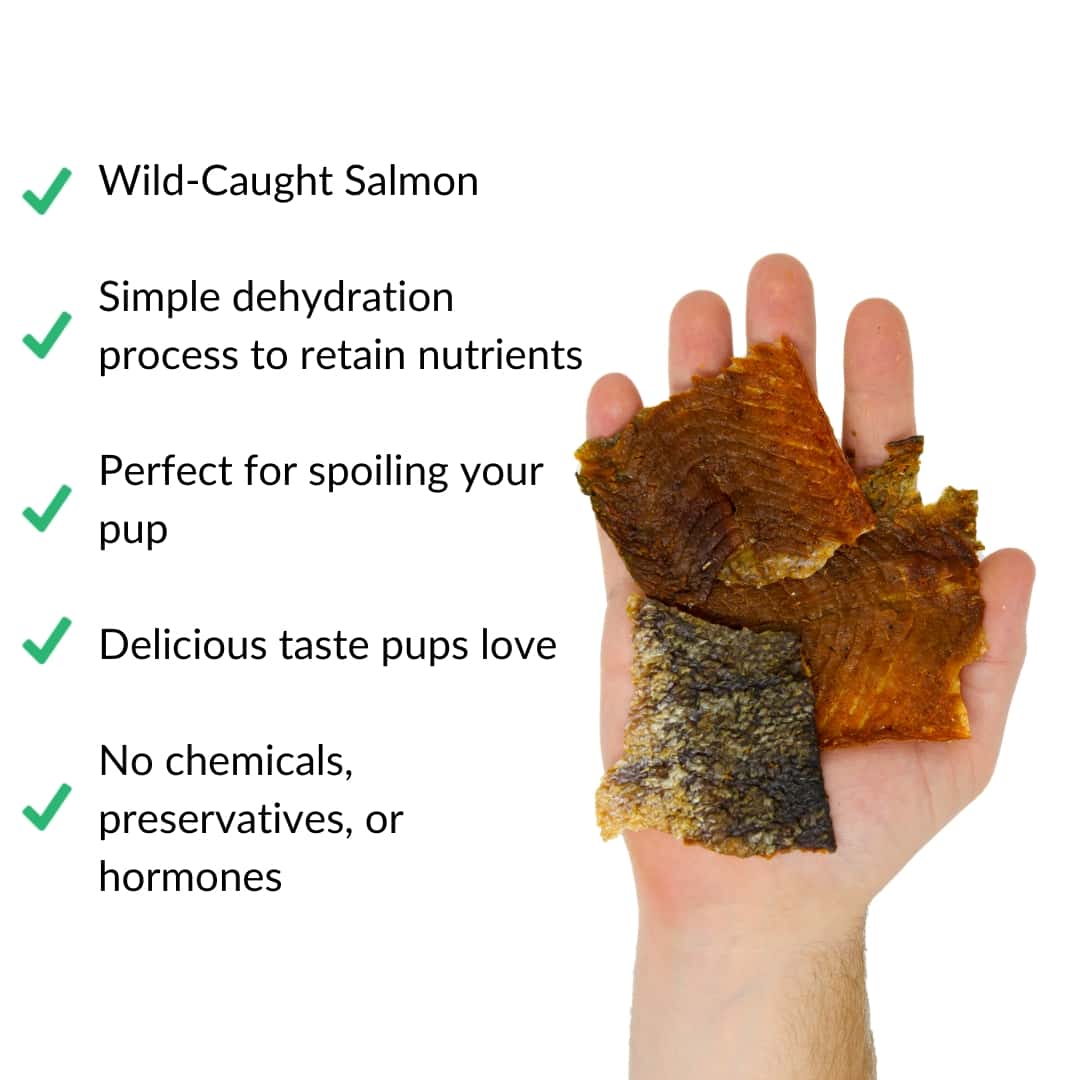
Many pup parents love using salmon as a treat for their dogs because the smell is strong.
And let's not forget that dogs' sense of smell is around 10,000 times stronger than humans. Wow!
Sometimes that "fishy" smell is all it takes to get your pup's attention.
And now, onto one of the most important parts of this article.... which preparation types of salmon are safe (and best) for your dog. ?
Preparation Types for Salmon
Since we’ve answered that dogs can (and should) eat salmon, the next question is how to best prepare it!
Of course, that will depend on how you are using the salmon. For example, feeding it as part of a meal compared to using it as a treat.
We’ll look at four different preparation types of salmon for dogs.
- Raw
- Freeze-dried
- Dehydrated
- Cooked
Can Dogs Eat Raw Salmon?

Another frequently asked question about salmon (and other protein sources as well) is: can dogs eat raw salmon?
Some people are in favor of a raw food diet since dogs were hunters (it’s hard to picture your precious pooch as a ferocious predator, we know) and would eat meat and fish raw in the wild.
So is it a good idea for us to give raw fish to our dogs?
Just as there is a risk of humans ingesting something harmful from raw fish, raw salmon may contain the Neoricksettsia helminthoeca parasite. That parasite can cause salmon poisoning disease in dogs.
You can get more about that from this study — we’d rather leave the scientific details to the professionals.
So just to reiterate... dogs should NOT eat raw salmon. Period.
We recommend consulting your veterinarian with more specific questions about raw food diets, although we do provide some information about raw dog food here.
What is Freeze-Dried Salmon?
There are two prepared ways to safely feed your dog salmon that’s uncooked, at least in the traditional sense: dehydrated and freeze-dried.
In this section, I'll cover freeze-drying and what that process looks like.
Freeze-drying is a process that freezes away (you guessed it) the moisture from the salmon, in this case.
This method is extremely effective at retaining the original nutrients and flavors found in the salmon. For this reason, freeze-dried salmon can be a popular choice for many salmon treats for pups.
What is Dehydrated Salmon?
Another safe and delicious way to give your dog salmon is dehydrated salmon. Dehydrated foods have the moisture removed from them, also removing bacteria. This makes it safe even though it is not "cooked".
Dehydrated salmon is minimally processed, meaning that both the nutritional profile and natural flavors are better preserved than in cooked salmon.
It also has the added benefit of a much longer shelf life (typically 12-18 months), making it the best of both worlds.
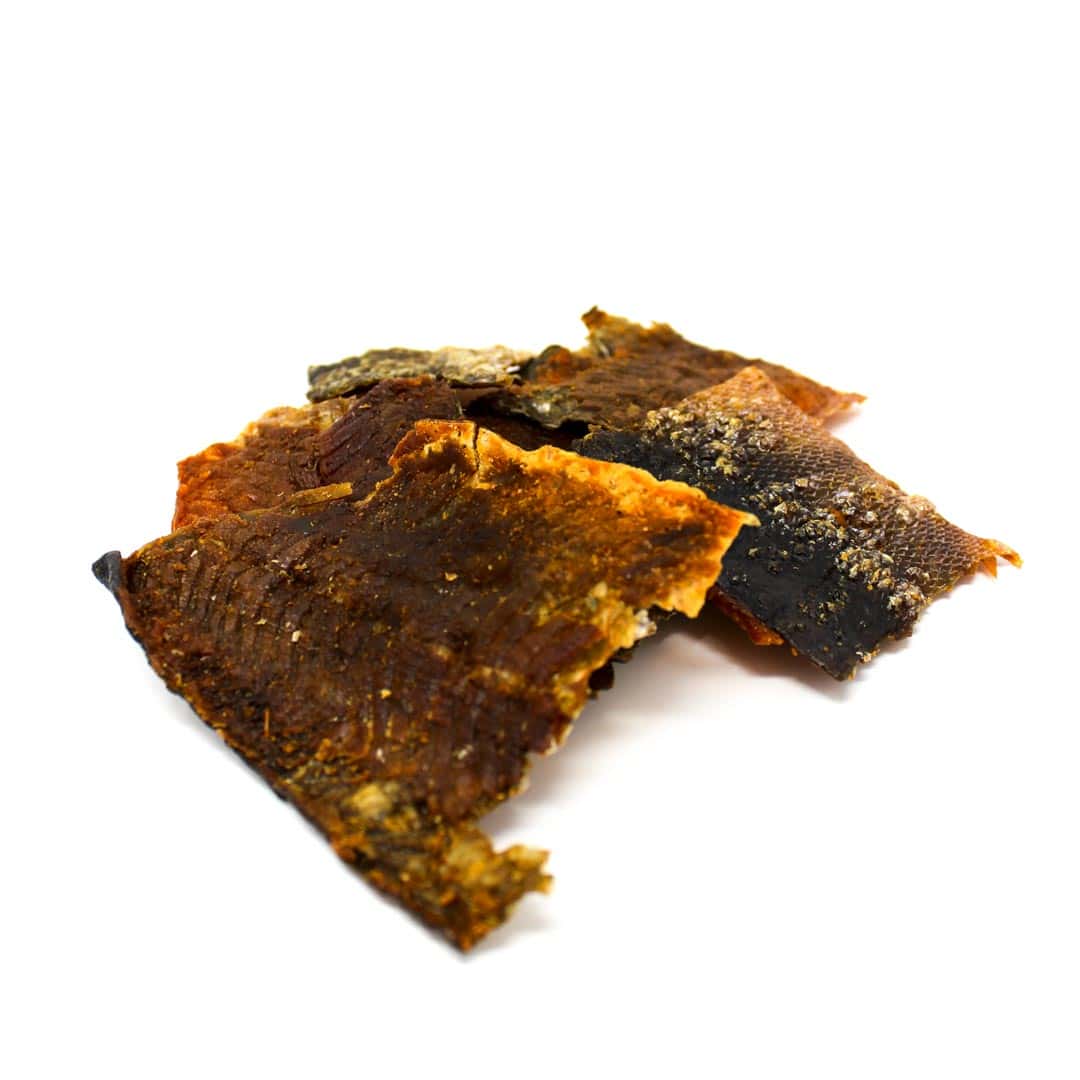
Because dehydrated food comes without germ worries, less mess, and with all the flavor and nutrition, it’s one of our favorite ways to serve salmon to our pups.
As a matter of fact, pups and their parents are loving our new salmon jerky treats!
Some benefits we’re really proud of:
- They only have one, all-natural ingredient: wild-caught salmon
- They are sourced in the USA
- They contain no fillers, sugar, or junk, and are only about 15-21 calories per treat
- They do not require refrigeration, so they can be stored anywhere for a long period of time
- Pups of all ages and breeds love them!
Plus, they are perfectly sized for extra-special moments, making them perfect for positive reinforcement or just plain spoiling your good boy or girl.
Interested in learning more about positive reinforcement dog training? Be sure to download the free Pupford app here.
How to Cook Salmon For Dogs

If you’re preparing salmon for your family, feel free to make a little extra for your dog.
Grilled, baked, poached, or broiled salmon is perfectly fine for your pup, as long as it’s not prepared with any other ingredients that are harmful to them. Don't add any sugars, sauces, garlic, or anything like that. Just keep it plain!
Of course, think of it more as a snack, and not a "full meal" replacement for your dog.
And remember, salmon is a very healthy, beneficial, and tasty snack for your pup!
Can Dogs Eat Salmon Skin?
The short answer is, yes dogs can eat salmon skin. As long as it is NOT raw (as mentioned above)!
Once it has been safely dehydrated, freeze-dried, or cooked, your dog can safely enjoy salmon skin.
In fact, many dogs really love the taste of salmon skin. Plus, the skin has different nutrients and benefits compared to the actual salmon meat.
That's why we leave the salmon skin on our tasty Jerky!
Salmon-Based Dog Food
If your dog enjoys salmon, feeding it as part of their regular diet can be a great option.
Pupford Good Dog Food Lamb & Salmon Recipe combines salmon with other nutrient-dense ingredients to create a balanced, freeze-dried raw diet. This formula supports:
- Muscle development
- Healthy digestion
- Immune support
- Skin and coat health
Using salmon as part of a complete diet can provide consistent benefits beyond occasional treats.
Recap of Dogs Eating Salmon & Its Benefits
So, let’s review what we’ve learned here:
- Dogs can (and should) eat salmon when prepped correctly (remember, do NOT give raw salmon)
- Salmon has many health benefits for dogs (see the infographic above)
- The safest and most enjoyable way for your pup to consume "uncooked" salmon is via dehydration or freeze-drying.
So next time you’re looking for something special to give your pup, consider salmon.
Especially our dehydrated salmon jerky! Buy a bag here.


