


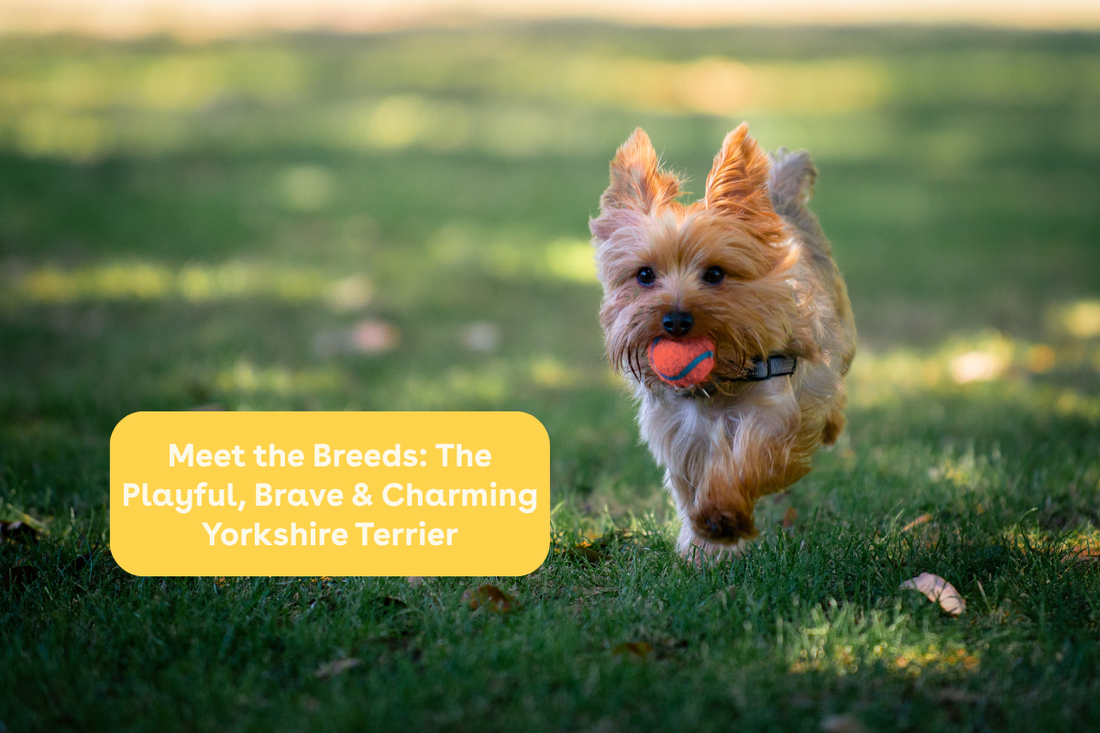
Few breeds pack as much personality into such a tiny body as the Yorkshire Terrier. Often seen riding in tote bags, sporting adorable hair bows, or curled up in someone’s lap, Yorkies may look like delicate companion dogs, but their history tells a very different story.
These little dogs were once fearless working terriers, bred to hunt rodents in industrial mills. Even today, beneath that silky coat is a bold, confident dog with surprising energy, intelligence, and a strong independent streak.
Whether you're considering bringing one home or just love learning about dog breeds, this guide covers everything you need to know about Yorkshire Terriers.
Table of Contents
- History of the Yorkshire Terrier
- Breed Development
- Roles in Society
- Life Expectancy and Health
- Comprehensive Care
- Busting Breed Myths
- Fun Facts About Yorkshire Terrier
History of the Yorkshire Terrier

Despite their modern reputation as pampered companion dogs, Yorkshire Terriers were originally hardworking dogs developed in northern England during the mid-1800s.
Their story begins during the Industrial Revolution. Scottish weavers migrated to England, particularly to the counties of Yorkshire and Lancashire, bringing small terrier-type dogs with them. These dogs were used for a very practical purpose: rodent control.
Textile mills, mines, and factories were filled with rats, which posed serious health and safety risks. Small, agile terriers were perfect for squeezing into tight spaces and eliminating pests. The early Yorkshire Terrier earned its reputation as a fearless and efficient hunter, despite its small size.
These early dogs weren’t the polished Yorkies we know today. They were larger, rougher, and bred for working ability rather than appearance. Over time, breeders refined the dogs by crossing various terrier breeds such as the Skye Terrier, Dandie Dinmont Terrier, and possibly the Maltese.
Eventually, these crosses produced the distinctive Yorkshire Terrier: a small, silky-coated dog with a bold terrier personality.
By the late 1800s, something interesting happened. The same working-class dog that hunted rats in factories began catching the attention of upper-class Victorian society. Their small size, elegant coat, and charming personality made them fashionable companion dogs.
Yorkshire Terriers quickly transitioned from factory workers to fashionable lapdogs. Talk about a glow up 😉
The breed was officially recognized by the American Kennel Club in 1885, and since then, Yorkies have remained one of the most popular toy breeds in the United States.
Even today, their fearless attitude reflects their working roots. Beneath that glamorous coat is still a determined terrier ready to chase anything that moves.
Breed Development

The Yorkshire Terrier didn’t appear overnight. Like many breeds, they evolved gradually through selective breeding and refinement.
Early Yorkies were larger than today’s dogs and were bred primarily for function rather than appearance. Breeders focused on agility, determination, and hunting ability. Over time, however, aesthetics became more important.
Breeders began selecting for:
- Smaller size
- Silkier coat
- Distinct blue-and-tan coloring
- Companion-friendly temperament
By the late 1800s, the Yorkshire Terrier had transformed into a toy breed.
One important historical figure in breed development was a dog named Huddersfield Ben. Often called the "father of the Yorkshire Terrier," Huddersfield Ben lived in the 1860s and helped shape the breed’s modern appearance and personality. His influence can still be seen in many Yorkie bloodlines today.
As the breed became more refined, Yorkies grew smaller and more elegant. However, breeders worked to preserve the terrier temperament that made them unique.
Modern Yorkshire Terriers typically:
- Stand 7–8 inches tall
- Weigh under 7 pounds
- Have long, silky coats
- Display confident personalities
Despite their small size, Yorkies still retain their original terrier instincts. Many love chasing toys, exploring, and even hunting small animals.
This blend of elegance and boldness is what makes the Yorkshire Terrier so distinctive.
Roles in Society

Yorkshire Terriers may be small, but they’ve played surprisingly diverse roles throughout history.
Factory Workers and Ratters
The Yorkshire Terrier’s first role was as a working dog. These dogs were used in textile mills, coal mines, and factories to control rodent populations. Their small size allowed them to access tight spaces where larger dogs couldn’t go.
This working background explains why many Yorkies still love chasing toys, squirrels, and anything that moves.
🐕Prey Drive in Dogs – Reduce It or Use It? + Training Tips | Pupford
Companion Dogs
As their popularity grew, Yorkies transitioned into companion dogs. Victorian-era families loved their elegant appearance and portable size. Soon, Yorkies became fashionable pets among wealthy households.
Today, companionship remains their primary role. Yorkshire Terriers are known for forming strong bonds with their families and often prefer being close to their humans.
💖Ultimate Guide to Small Dogs: Care, Training, Chart & More | Pupford
Therapy Dogs
Yorkshire Terriers have also served as therapy dogs. One of the most famous examples is Smoky, a Yorkie who served during World War II. Smoky accompanied soldiers on missions and helped run communication wires through narrow spaces, ultimately saving lives. She later became one of the first recorded therapy dogs.
This story highlights the breed’s intelligence, bravery, and adaptability.
Watchdogs
Despite their small size, Yorkies make excellent watchdogs. They’re alert, vocal, and quick to notify their families of anything unusual.
While they may not be effective guard dogs, they certainly make their presence known.
🦴Do you have a “yappy” dog at home? The ‘Thank You Protocol’ is the perfect way to still allow your dog to alert you without continuously barking.
Modern Family Dogs
Today, Yorkshire Terriers fill many roles:
- Companion dogs
- Apartment pets
- Therapy dogs
- Travel companions
- Show dogs
Their adaptability makes them a great fit for many lifestyles.
Life Expectancy and Health

Yorkshire Terriers are generally long-lived dogs. Many Yorkies live between 13 and 16 years, with some reaching their late teens.
Their small size contributes to their longevity, but like all breeds, they have some health concerns to be aware of.
Common Health Issues
Some of the most common Yorkshire Terrier health concerns include:
Dental Disease
Yorkies are particularly prone to dental issues due to their small mouths and crowded teeth. Regular brushing and dental care are essential for preventing long-term problems.
🪥Periodontal Disease in Dogs: Causes, Symptoms, Treatment, and Prevention– Pupford
Luxating Patella
This condition occurs when the kneecap shifts out of place, causing a skipping or hopping gait. It’s common in small breeds, including Yorkies.
Tracheal Collapse
Some Yorkies may develop tracheal collapse, which can cause coughing and breathing difficulties. Using a harness instead of a collar can help reduce strain on the neck.
Hypoglycemia
Yorkie puppies are particularly prone to low blood sugar, especially when young. Frequent meals and careful monitoring help manage this issue.
Liver Shunts
Some Yorkshire Terriers are predisposed to liver shunts, a condition affecting blood flow to the liver.
Overall Health Outlook
Despite these concerns, Yorkshire Terriers are generally healthy dogs. With proper care, regular veterinary visits, and good nutrition, many Yorkies enjoy long, happy lives.
Comprehensive Care

Yorkshire Terriers may be small, but they require thoughtful care to thrive.
Exercise Needs
Yorkies are energetic dogs despite their size. Daily walks, play sessions, and mental stimulation help keep them happy and healthy.
They don’t need large yards and often do well in apartments, as long as they receive daily activity.
Grooming
Yorkshire Terriers are famous for their long, silky coats. However, this beautiful coat requires maintenance.
Regular grooming includes:
- Daily brushing
- Routine trims
- Bathing every few weeks
- Cleaning around the eyes
Many pup parents choose a shorter “puppy cut” for easier care. Without grooming, Yorkie coats can tangle and mat quickly.
🐶Check out our At Home Grooming Course!
Training
Yorkshire Terriers are intelligent and eager to learn, but their independent nature means they benefit from consistent, positive reinforcement training. Because small dogs are often overlooked when it comes to training, Yorkies sometimes miss out on the structure and guidance that helps them truly thrive. With the right approach, they’re capable of learning just as much as larger breeds.
Yorkies often excel at:
- Trick training
- Basic obedience
- Agility
- Scent games
Because they’re small, early socialization is especially important. Small dogs experience the world very differently than larger breeds. Everyday things like a person walking toward them, a loud noise, or a large dog approaching can feel much more intimidating when you only weigh a few pounds. Without positive, gradual exposure to new people, environments, and experiences, Yorkies may become cautious or overwhelmed more easily.
Additionally, small dogs are often picked up, carried, or protected from new experiences. While this is usually done with good intentions, it can limit opportunities for them to build confidence and learn how to navigate the world on their own. Thoughtful socialization helps Yorkshire Terriers develop resilience, confidence, and comfort in a variety of situations, which can reduce fear-based behaviors and help them grow into well-adjusted companions.
💖Debunking Common Dog Socialization Myths: A Guide for Every Pup Parent
Nutrition
Yorkshire Terriers benefit from high-quality nutrition designed for small breeds. Smaller kibble sizes and nutrient-dense formulas are often ideal.
Because Yorkies can be prone to dental issues, some pup parents also incorporate dental chews and regular brushing.
Pupford’s Good Dog Food is the perfect choice for Yorkie pup parents looking to give their pup a healthy, balanced diet with wholefood ingredients.
Safety Considerations
Due to their small size, Yorkshire Terriers can be more physically vulnerable in certain situations. However, that doesn’t mean they’re fragile dogs. Yorkies are sturdy, capable, and often surprisingly tough for their size. Their terrier roots give them a bold, confident nature and plenty of resilience. Still, because they typically weigh under seven pounds, accidents that might be minor for larger dogs can pose a greater risk for them.
Yorkies may be especially vulnerable to:
- Larger dogs — Even friendly, well-intentioned larger dogs can accidentally injure a Yorkie during play. An enthusiastic greeting, playful paw, or accidental step can be too much for a much smaller dog. Supervised introductions and choosing appropriate playmates can help keep interactions safe and positive.
- Rough play — Young children or high-energy dogs may not always realize how small a Yorkie is. Teaching gentle handling and encouraging calm, respectful interactions helps prevent accidental injuries while building positive relationships.
- Falls from furniture — Jumping off couches, beds, or stairs can put extra strain on small joints and bones. Because Yorkies are often confident and fearless, they may not hesitate to leap from heights that are risky for their size. Pet stairs, ramps, or thoughtful supervision can help prevent accidents.
It’s also worth noting that Yorkshire Terriers often don’t see themselves as small dogs. Their confident, fearless personalities may lead them to approach larger dogs, explore boldly, or jump without hesitation. They’re strong and resilient little dogs, but thoughtful supervision and a safe environment help ensure they stay healthy while still enjoying an active, adventurous life.
Busting Breed Myths

Myth 1: Yorkies Are Fragile
Yorkies may be small, but they’re surprisingly tough. Their terrier roots make them bold and energetic.
Myth 2: Yorkies Don’t Need Exercise
Despite their size, Yorkies need regular activity. Daily walks and playtime are important for both mental and physical health.
Myth 3: Yorkies Are Just Lap Dogs
While they love cuddling, Yorkies also enjoy exploring, playing, and training.
Myth 4: Yorkies Are Easy Dogs
Yorkies can be high-maintenance in terms of grooming and training.
Myth 5: Yorkies Aren’t Good With Families
With proper training and supervision, Yorkies can be wonderful family companions.
Fun Facts About Yorkshire Terriers

Yorkshire Terriers may be tiny, but their history and personality are anything but small. From working dogs to war heroes, here are a few fun facts that make Yorkies truly unforgettable:
They Started as Fearless Rat Hunters
Long before they were pampered companions, Yorkshire Terriers worked in textile mills hunting rats. Their small size made them perfect for squeezing into tight spaces, and their terrier instincts made them fearless on the job.
They’re Often Called the “Tomboy Toy”
Despite their elegant appearance and silky coats, Yorkies are bold, confident, and full of personality. They’re just as likely to chase a toy or explore the backyard as they are to curl up in your lap.
They Have Hair, Not Fur
Yorkshire Terriers have hair that’s more similar to human hair than traditional dog fur. This is what gives them their signature silky coat and also means they shed less than many other breeds.
They’re One of the Smallest Dog Breeds
Most Yorkshire Terriers weigh under seven pounds, but don’t let their size fool you, they often act like they’re much bigger than they are.
They’ve Even Served as War Heroes
One of the most famous Yorkies, Smoky, served alongside soldiers during World War II. She helped run communication wires through narrow spaces, boosted troop morale, and later became one of the first recorded therapy dogs.
Recap: The Playful, Brave, and Charming Yorkshire Terrier
Yorkshire Terriers may be tiny, but they have enormous personalities, rich histories, and loyal hearts. From rat-catching factory dogs to beloved companions, Yorkies have come a long way, but they’ve never lost their bold terrier spirit.
Whether you're drawn to their adorable appearance, lively personality, or long lifespan, the Yorkshire Terrier remains one of the most beloved toy breeds in the world.
Small dog. Big personality. Endless charm.


