


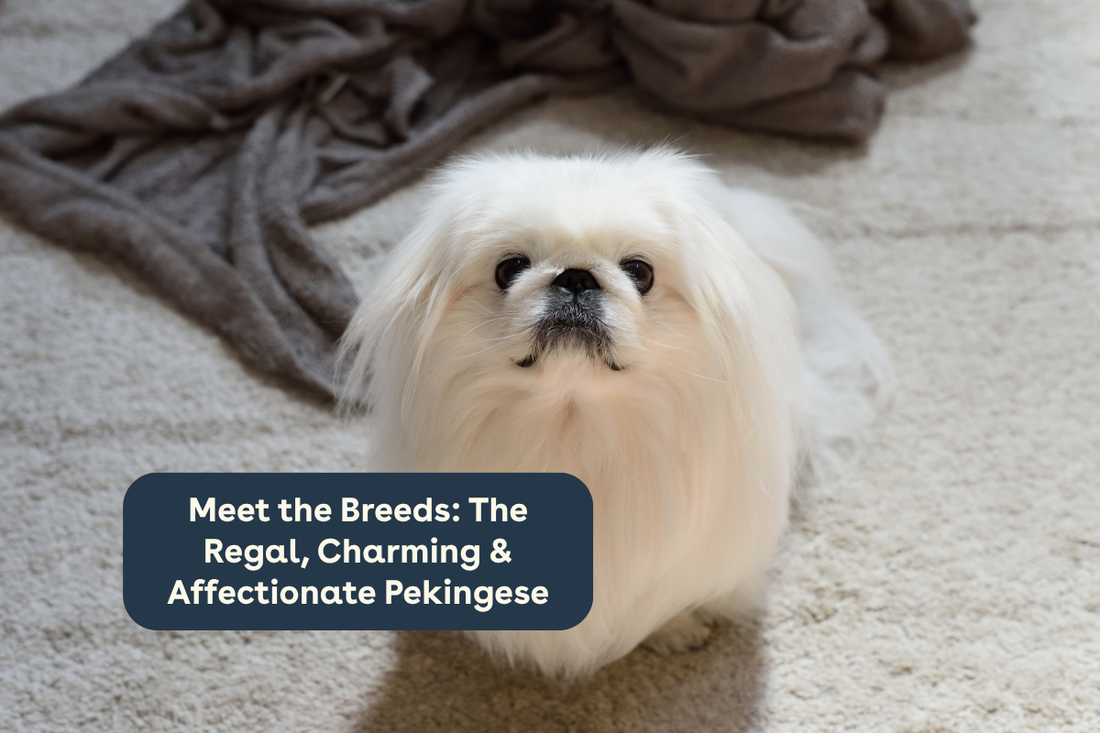
With their flowing coat, confident personality, and unmistakable lion-like appearance, the Pekingese is one of the most recognizable toy breeds in the world. Originally bred as companions for Chinese royalty, these little dogs still carry themselves with an air of dignity and confidence centuries later.
While small in size, Pekingese are full of personality. They are loyal, independent, affectionate with their families, and often surprisingly brave. Unlike some high-energy toy breeds, many Pekingese prefer a calm environment where they can relax beside their favorite humans and observe the world around them.
Their unique history, striking appearance, and devoted nature have helped them remain beloved companions for generations. Whether you already share your home with a Peke or are considering bringing one into your family, understanding their care needs, temperament, and background can help you better appreciate this fascinating breed.
Table of Contents
- History of the Pekingese
- Breed Development
- Roles in Society
- Life Expectancy and Health
- Comprehensive Care
- Busting Breed Myths
- Fun Facts About Pekingese
History of the Pekingese

The history of the Pekingese stretches back more than a thousand years to ancient China, making this breed one of the oldest toy breeds still around today. Records of the Pekingese date all the way back to the Tang Dynasty around the 8th century.
Unlike many breeds developed for hunting, herding, or guarding livestock, the Pekingese had a much more luxurious job description: living in royal palaces and serving as companions to Chinese emperors and members of the imperial court.
These dogs were treated with enormous respect and were considered sacred animals in Chinese society. In many cases, they lived far more lavish lifestyles than most humans of the time.
One of the most famous legends about the breed claims the Buddha shrunk a lion down to dog size, creating the Pekingese. While it’s clearly mythology, the story perfectly captures the breed’s personality. Even today, many Pekingese seem convinced they are actually giant lions trapped in tiny bodies. Their flowing mane, confident strut, and fearless attitude only add to that reputation, which is why they’re still often referred to as “lion dogs.”
For centuries, the breed remained almost completely exclusive to China. Imperial Pekingese were so highly valued that stealing one reportedly carried severe punishments during certain periods of Chinese history. These were not dogs the average person could simply own or purchase.
The Western world was introduced to the breed in the 1860s during the Second Opium War. British troops entered the imperial palace in Beijing and discovered several surviving Pekingese dogs after much of the palace had been abandoned. A handful of these dogs were brought back to England, including one gifted to Queen Victoria.
From there, the breed slowly gained popularity throughout Europe and eventually the United States. The American Kennel Club officially recognized the Pekingese in 1906.
Breed Development

The development of the Pekingese focused far more on companionship, appearance, and status than athletic performance or working ability.
Chinese royalty selectively bred dogs that displayed the traits they admired most. Over generations, breeders emphasized the Pekingese’s flat face, large expressive eyes, compact body, flowing coat, and distinctive rolling gait. The end result was a breed designed to look elegant, unique, and almost lion-like in appearance.
Some especially tiny Pekingese became known as “sleeve dogs” because they were reportedly small enough to ride inside the sleeves of royal robes. Whether they were accompanying emperors through the palace or simply being carried around like ancient luxury accessories, these little dogs were clearly treated like royalty.
Modern Pekingese still look remarkably similar to their ancestors from centuries ago. Their thick mane around the neck and shoulders creates the signature “lion dog” appearance the breed is known for, while their short muzzle and compact body make them instantly recognizable.
However, breeding for these exaggerated features has also contributed to some of the health concerns seen in the breed today. Like many brachycephalic dogs, Pekingese can experience breathing difficulties due to their shortened airways. Their long backs and shorter legs may also increase the risk of spinal stress and mobility issues later in life.
Because of this, many responsible breeders today focus on balancing appearance with health and structure. Ethical breeding practices, health testing, and thoughtful selection can help reduce the risk of inherited conditions while still preserving the breed’s unique look and personality.
💖Ethical Breeding: A Comprehensive Guide to Responsible Practices in Do – Pupford
Roles in Society

Historically, the primary role of the Pekingese was companionship.
These dogs spent centuries serving as close companions to emperors, nobles, and members of the Chinese imperial family. Unlike working breeds developed to complete physical tasks, Pekingese were valued for their presence, loyalty, and symbolism.
In many ways, they functioned as status symbols. Owning and caring for these sacred dogs reflected wealth, privilege, and social standing.
But despite their pampered history, Pekingese are not timid dogs. They are famously bold, alert, and self-assured. Many Peke parents describe them as surprisingly brave for their size.
Today, their role has shifted to family companionship. They thrive in homes where they can form close bonds with their people and enjoy a relatively calm environment.
They tend to be less hyperactive than some toy breeds, Pekingese can do very well in apartments or smaller living spaces. They typically enjoy short walks, indoor play, and plenty of relaxation time with their favorite humans.
Their alert nature also makes them solid watchdogs. While they are not excessive barkers in every situation, many will quickly notify their families when someone approaches the home.
Pekingese are often best suited for homes with respectful older children or adults. Many dislike rough handling or chaotic environments and may become stressed around overly energetic young kids.
🐶Dogs and Kids Guide: Training, Home Prep & Guidelines for Healthy Kid- – Pupford
They also tend to develop especially close bonds with one or two people rather than seeking attention from everyone they meet. That loyalty is one reason so many Peke parents become lifelong fans of the breed.
Life Expectancy and Health

The average lifespan of a Pekingese is typically around 12 to 14 years, though some live considerably longer with excellent care.
Like all breeds, Pekingese have certain health conditions that prospective pup parents should understand.
One of the most significant concerns involves their brachycephalic structure. Their shortened muzzle and compressed airway anatomy can contribute to breathing difficulties, overheating, snoring, and exercise intolerance. Hot weather can be especially dangerous for these dogs.
Because of this, it’s important to:
- Avoid strenuous exercise in heat
- Provide air conditioning or cool environments during warm months
- Always ensure access to fresh water
- Monitor closely for signs of respiratory distress
☀️7 Hacks to Keep Dogs Cool in Summer Heat | Pupford
Eye problems are also relatively common. Their large protruding eyes are more vulnerable to scratches, ulcers, and injury. Regular eye checks and prompt veterinary care are important if irritation develops.
Dental disease can become another issue due to overcrowding in their compact skull structure. Daily tooth brushing and professional cleanings can make a major difference in long-term health.
🪥Periodontal Disease in Dogs: Causes, Symptoms, Treatment, and Prevention – Pupford
Some Pekingese may also experience:
- Luxating patellas
- Intervertebral disc disease (IVDD)
- Skin allergies
- Heart disease
- Arthritis
- Mobility issues later in life
That said, many Pekingese live long, happy lives with relatively manageable care needs. Good breeding practices, maintaining a healthy weight, routine veterinary care, and avoiding excessive physical strain can all support longevity.
Nutrition also plays an important role in overall wellness. Feeding a complete, balanced diet that supports healthy weight management is especially important for small breeds prone to orthopedic stress and reduced mobility.
👉Make the switch to Pupford Good Dog Food!
Comprehensive Care

Caring for a Pekingese requires attention to grooming, health maintenance, training, and emotional well-being.
Grooming
One of the breed’s most recognizable features is its luxurious coat. That beautiful mane does come with maintenance requirements.
Most Pekingese benefit from:
- Brushing several times per week
- Regular bathing
- Cleaning around facial folds
- Trimming around feet and sanitary areas
- Routine nail trimming
Without regular grooming, mats and tangles can develop quickly, especially around the ears, legs, and chest.
Some pup parents opt for shorter “puppy cuts” to make coat maintenance easier, particularly in warm climates.
🐕What Happens If You DON'T Groom Your Dog – Pupford
Exercise Needs
Pekingese do not require intense physical activity. Most are satisfied with moderate daily walks and indoor enrichment.
However, they still need consistent mental and physical stimulation to stay healthy. Short training sessions, sniff walks, puzzle toys, and enrichment activities can help prevent boredom.
Because of their breathing limitations and body structure, avoid excessive jumping, long hikes in heat, or intense endurance exercise.
Training and Socialization
Pekingese are intelligent, but they are also famously independent thinkers.
Some people interpret this as stubbornness (this is called anthropomorphism), but in many cases, the breed simply prefers to evaluate whether something is worth their effort. Positive reinforcement training works far better than punishment-based methods.
Using rewards like treats, praise, toys, and play can help build engagement and trust.
Early socialization is also important. Exposing puppies to new environments, sounds, people, and experiences in a positive, gradual way can help prevent fearfulness later in life.
🐶Debunking Common Dog Socialization Myths: A Guide for Every Pup Parent – Pupford
Feeding
Because Pekingese are relatively small and less active, portion control matters. Excess weight can place additional strain on their joints, spine, and respiratory system.
High-quality nutrition that supports digestion, healthy skin, and weight management is important for long-term wellness.
Some Pekingese can also have food sensitivities or allergies, so monitoring for symptoms like itching, digestive upset, or chronic ear infections may help identify dietary issues.
Looking for new, high-quality food for you pup? Shop Pupford Good Dog Food!
Emotional Needs
While they may appear independent, Pekingese are deeply attached to their families.
They typically do best when they can spend significant time with their humans and participate in daily household life. Many enjoy lounging beside their favorite person for hours at a time.
They are not usually the type of dog that craves nonstop activity or constant social interaction with strangers. Instead, they tend to appreciate predictable routines, comfortable spaces, and meaningful one-on-one connection.
Busting Breed Myths
Myth: Pekingese are lazy
While they are certainly not marathon runners, Pekingese still need regular movement and enrichment.
Most enjoy walks, sniffing adventures, training games, and interactive play. They simply tend to prefer moderate activity over nonstop motion.
💖A Guide to Low-Impact Dog Exercises: What They Are & Why They Matter | Pupford
Myth: Small dogs don’t need training
Every dog benefits from training, regardless of size.
Because Pekingese are intelligent and independent, training is especially important for communication, confidence, and relationship building. Positive reinforcement can help them become polite, adaptable companions.
🐕Ultimate Guide to Small Dogs: Care, Training, Chart & More | Pupford
Myth: Grooming is optional
That beautiful coat requires regular maintenance.
Without brushing and grooming, mats can become painful and contribute to skin irritation or hygiene problems.
Fun Facts About Pekingese
The Pekingese has accumulated plenty of fascinating stories throughout its long history.
- The breed was once considered sacred in ancient China.
- Pekingese are often called “lion dogs” because of their mane-like coat and ancient legends.
- Tiny “sleeve Pekingese” were reportedly carried inside royal robes.
- A Pekingese named Looty was gifted to Queen Victoria after British troops entered the imperial palace in 1860.
- One Pekingese was among the very small number of dogs that survived the sinking of the Titanic.
- The breed is known for its unique rolling gait.
Recap: The Regal, Loyal, & Independent Pekingese
The Pekingese is a breed with a truly remarkable history. From ancient Chinese palaces to modern family homes, these little lion dogs have spent centuries winning people over with their loyalty, confidence, and unmistakable charm.
While they may look glamorous and regal, Pekingese are much more than decorative companions. They are intelligent, brave, affectionate dogs that form strong bonds with their families and thrive in calm, loving homes.
Like all breeds, they come with unique care needs. Their coat requires regular grooming, their brachycephalic structure means they need protection from overheating, and consistent positive reinforcement training can help them become confident, adaptable companions.
For the right pup parent, the Pekingese can be an incredibly rewarding addition to the family.
Learn more about other breeds! 👉 Meet the Breeds: The Gentle, Loyal & Lovable St. Bernard | Pupford


