


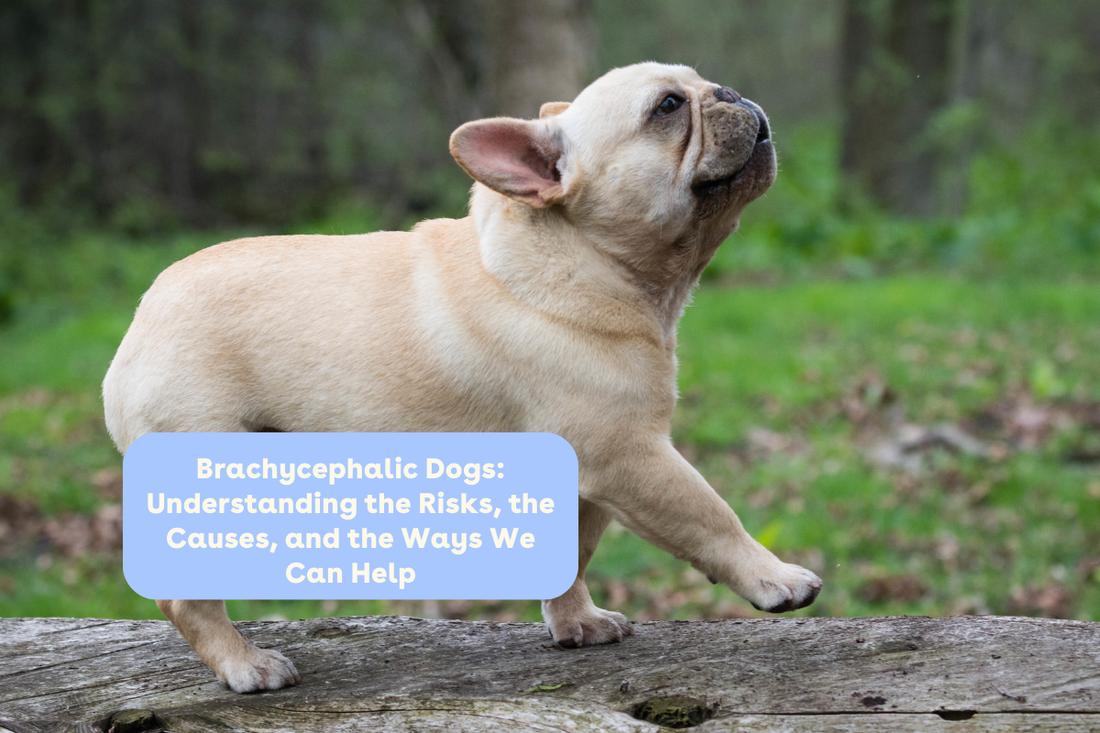
Some dogs are instantly recognizable by their squished-in faces, the pushed-back nose, the rounded head, and the large, expressive eyes. These dogs are known as brachycephalic breeds, and they include some of the most popular companions in the world: the French Bulldog, Pug, English Bulldog, Boxer, and Shih Tzu.
But behind those distinctive faces are serious health challenges that require awareness, responsible breeding practices, and thoughtful care from pup parents. Brachycephalic dogs often experience medical issues directly related to the facial structure that makes them look so unique. Understanding these challenges is important not only for current dog guardians, but also for anyone considering bringing one of these breeds into their home.
In this guide, we’ll explore what “brachycephalic” means, the breeds most commonly affected, the health risks associated with this skull shape, how breeding standards have contributed to the issue, and what pup parents and breeders can do to help improve the lives of these dogs.
What Does “Brachycephalic” Mean?

The word “brachycephalic” comes from the Greek brachy meaning “short,” and cephalic meaning “head.” In canine anatomy, it refers to dogs whose skulls are shortened from the nose to the back of the head. This results in the flat or pushed-in facial structure that many people find appealing.
While the outside appearance may look cute or distinctive, the internal anatomy is often compressed as well. The bones of the skull are shortened, but the soft tissues inside the airway may remain the same size as they would be in a longer-nosed dog. This creates crowding in the nose, throat, and airway.
Many brachycephalic dogs have structural differences such as:
- Narrowed nostrils (stenotic nares)
- An elongated soft palate that partially blocks the airway
- A narrower windpipe
- Extra tissue around the larynx
These differences can make breathing significantly more difficult compared with dogs that have longer muzzles.
Common Brachycephalic Breeds

Several well-known dog breeds fall into the brachycephalic category. Some have extremely short faces, while others have moderately shortened muzzles.
Among the most recognized are the French Bulldog, which has become one of the most popular companion dogs in many countries. Their compact bodies, upright ears, and affectionate temperament make them appealing for people with various lifestyles, but they are also one of the breeds most prone to breathing issues.
The English Bulldog is another classic example. Bulldogs are known for their wrinkled faces, wide stance, and calm demeanor. Unfortunately, their extreme facial structure means many struggle with respiratory challenges throughout their lives.
The Pug is beloved for its expressive eyes and playful personality. However, the same flat face that gives Pugs their signature look can lead to airway obstruction and heat intolerance.
Other breeds that fall into the brachycephalic category include the Boxer, Shih Tzu, Boston Terrier, Pekingese, Brussels Griffon, and Japanese Chin.
While these breeds vary in size, coat type, and temperament, they share similar anatomical traits that can affect breathing and overall health.
Health Risks Associated With Brachycephalic Dogs

The shortened skull shape in brachycephalic breeds can lead to a range of medical issues. While not every dog will experience severe problems, the risk is significantly higher compared to dogs with longer muzzles.
Brachycephalic Obstructive Airway Syndrome (BOAS)
One of the most significant health conditions affecting flat-faced dogs is Brachycephalic Obstructive Airway Syndrome.
BOAS is a collection of structural abnormalities in the airway that restrict airflow and make breathing difficult. Because the nose and throat are compressed, dogs must work harder to move air in and out of their lungs.
Common signs of BOAS include:
- Loud breathing or snoring
- Difficulty exercising
- Gagging or retching
- Labored breathing after activity
- Blue-tinged gums in severe cases
- Episodes of collapse
For some dogs, the condition is mild. For others, it can significantly affect quality of life and may require surgery to improve breathing.
Heat Intolerance
Dogs primarily cool themselves by panting. When airflow is restricted, panting becomes less effective. This means brachycephalic dogs are at higher risk of overheating.
Even moderate temperatures can become dangerous, especially when combined with exercise, humidity, or stress. Heatstroke is one of the leading emergency risks for flat-faced dogs.
🐶Related Reading: Do Dogs Sweat? How Do They Regulate Body Temperature | Pupford
Dental Crowding
Because the muzzle is shorter, the same number of teeth must fit into a smaller space. This often leads to overcrowding, which can trap food and bacteria between teeth and increase the risk of periodontal disease.
💖Related Reading: Dog Teeth Cleaning Costs + At-Home Dental Care Products | Pupford
Eye Problems
Brachycephalic breeds often have large, prominent eyes that protrude slightly from the skull. While this contributes to their expressive appearance, it also increases the risk of eye injuries, corneal ulcers, and irritation.
💡Learn 10 facts about dogs eyes and vision!
Skin Fold Infections
Many brachycephalic dogs have deep facial wrinkles. These folds can trap moisture, debris, and bacteria, creating an environment where skin infections can develop if the area is not cleaned regularly.
Sleep Disruption
Some brachycephalic dogs experience breathing interruptions during sleep, similar to sleep apnea in humans. Loud snoring and restless sleep can be signs that airflow is partially obstructed.
💤 Check out our Dog Sleeping Guide | Pupford
How Breeding Standards Contributed to the Problem

Many of the health challenges associated with brachycephalic dogs are the result of decades of selective breeding that emphasized extreme physical traits.
Historically, kennel clubs and breed organizations established standards that described the ideal appearance of each breed. These standards often included terms like “short muzzle,” “flat face,” or “deep wrinkles.” Over time, breeders who produced dogs with the most exaggerated features were rewarded in competitions and dog shows.
In many cases, these standards unintentionally encouraged breeding dogs with increasingly shortened muzzles. As the external features became more extreme, the internal anatomy of the airway became more compressed.
The result is that some dogs today have facial structures that make normal breathing difficult. In severe cases, dogs may struggle with basic activities like walking, playing, or regulating body temperature.
This issue has sparked ongoing debate among veterinarians, animal welfare advocates, and breeders about how breed standards should evolve to prioritize health and functionality.
How Responsible Breeding Can Help

Improving the health of brachycephalic breeds requires thoughtful, responsible breeding practices that prioritize well-being over exaggerated appearance.
Selecting for Healthier Facial Structure
Breeders can reduce breathing problems by choosing dogs with slightly longer muzzles and wider nostrils. Even small changes in facial structure can significantly improve airflow.
Dogs that show severe breathing difficulty should never be used for breeding.
Health Testing
Responsible breeders screen breeding dogs for a variety of health issues before producing a litter. This may include:
- Respiratory function evaluations
- Cardiac screenings
- Eye examinations
- Orthopedic evaluations
These tests help reduce the likelihood of passing serious genetic conditions to future generations.
Avoiding Extreme Traits
Rather than aiming for the flattest possible face, ethical breeders focus on producing dogs that can breathe comfortably, exercise normally, and live active lives.
Data and Collaboration
Veterinarians, geneticists, and breed organizations are increasingly collaborating to collect health data and track the prevalence of conditions like BOAS. This information helps guide breeding decisions and identify healthier bloodlines.
How Pup Parents Can Support Brachycephalic Dogs

If you currently share your home with a brachycephalic dog, there are several ways to support their health and comfort.
Maintain a Healthy Weight
Excess weight puts additional strain on the respiratory system. Keeping your dog at a healthy weight can make breathing easier and reduce the risk of complications.
**insert back to basics overweight video**
Avoid Overheating
Flat-faced dogs should be protected from hot temperatures. Limit exercise during warm weather, provide shade and fresh water, and avoid leaving these dogs in warm environments without ventilation.
☀️7 Hacks to Keep Dogs Cool in Summer Heat [2025 Update] | Pupford
Exercise Carefully
Moderate activity is still important for physical and mental health, but brachycephalic dogs often need shorter, less intense exercise sessions with frequent breaks.
🐶A Guide to Low-Impact Dog Exercises: What They Are & Why They Matter | – Pupford
Schedule Regular Veterinary Care
Routine veterinary exams help detect developing problems early. Your veterinarian may evaluate breathing, dental health, skin folds, and eye health to ensure your dog stays comfortable.
Consider Veterinary Surgery if Recommended
In dogs with significant airway obstruction, procedures that widen the nostrils or shorten the soft palate can greatly improve breathing. These surgeries are not cosmetic; they are often performed to improve the dog’s quality of life.
Recognizing Warning Signs
Pup parents should monitor brachycephalic dogs closely for signs of respiratory distress. Contact a veterinarian if your dog shows symptoms such as:
- Persistent coughing or gagging
- Difficulty breathing after mild activity
- Blue or pale gums
- Collapse or fainting episodes
- Extreme fatigue during exercise
These symptoms may indicate severe airway obstruction and require veterinary attention.
Advocacy and Awareness

As awareness of brachycephalic health issues grows, many veterinarians and animal welfare organizations are encouraging reforms that prioritize dog welfare.
Educating future dog parents about the realities of brachycephalic health risks is an important step. When people understand the responsibilities associated with these breeds, they are more likely to choose responsible breeders or adopt through reputable rescue organizations.
Advocacy efforts also encourage kennel clubs and breed organizations to revise standards so that healthier anatomical traits are rewarded rather than exaggerated physical features.
Recap: Brachycephalic Dogs
Brachycephalic breeds have charming personalities and a long history as companion animals. Dogs like the French Bulldog, Pug, and English Bulldog are loved around the world for their affectionate nature and loyal companionship.
At the same time, their distinctive appearance comes with real health considerations that deserve attention and care.
By supporting responsible breeding practices, advocating for health-focused breed standards, and providing thoughtful daily care, pup parents and breeders can help ensure these dogs live healthier, more comfortable lives.
Ultimately, the goal should be simple: dogs that not only look distinctive, but also breathe easily, move comfortably, and enjoy the full, active lives every dog deserves.


