


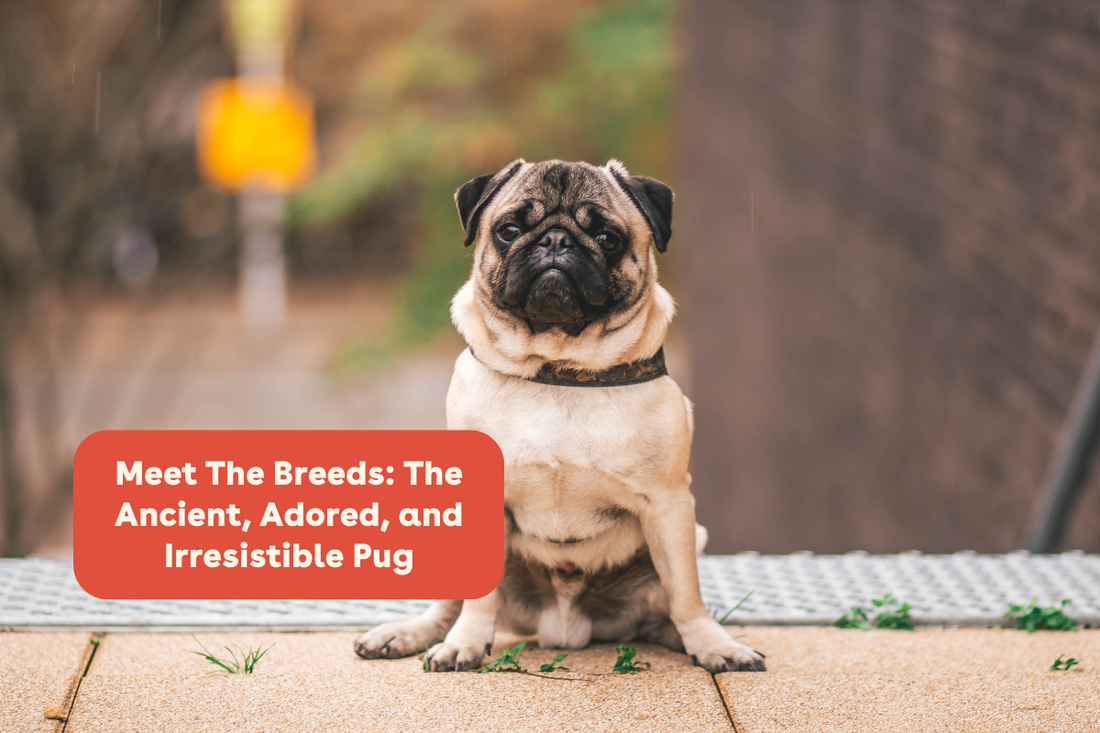
Few breeds can compete with the undeniable charm of the Pug. With their expressive eyes, signature wrinkles, curly tails, and snort-filled personalities, Pugs have earned their place as one of the most recognizable companion breeds in the world.
But behind that adorable face is a breed with centuries of history, specific care needs, and a temperament that thrives on connection and companionship.
If you're considering bringing a Pug into your life, or already share your home with one, this guide will walk you through everything you need to know.
Table of Contents
- History of Pugs
- Breed Development
- Roles in Society
- Life Expectancy and Health
- Comprehensive Care
- Fun Facts About Pugs
History of Pugs

The story of the Pug begins over 2,000 years ago in ancient China. Unlike many breeds developed for hunting, herding, or guarding, Pugs were intentionally bred for one primary purpose: companionship.
Chinese emperors during the Han Dynasty (around 200 BCE) are believed to have kept small, flat-faced companion dogs, including early versions of what would later become the modern Pug.
These dogs lived in luxury, guarded by soldiers and treated as royal treasures. They were valued so highly that ownership was often restricted to elites. Historical accounts suggest that these small companion dogs lived luxurious lives in imperial palaces and were sometimes assigned guards or dedicated attendants to care for them.
Pugs eventually made their way to Europe in the 16th century through Dutch traders. The breed became especially beloved in the Netherlands, where a Pug reportedly alerted Prince William of Orange to an approaching attack, earning the breed a place as the official dog of the House of Orange.
From there, Pugs gained popularity among European royalty, including Queen Victoria in England, who was known for her fondness of the breed. By the 19th century, Pugs were firmly established as fashionable companions throughout Europe and eventually the United States.
Unlike working breeds shaped by physical performance tasks, Pugs were shaped by social purpose, to be close to people. That origin story still defines them today.
Breed Development

Modern Pugs are classified as a toy breed by the American Kennel Club (AKC), but their sturdy, muscular build often surprises first-time pup parents. They are small, but they are not fragile.
🐶Related Reading: Ultimate Guide to Small Dogs: Care, Training, Chart & More | Pupford
Over generations, breeders selected for specific physical characteristics:
- A compact, square body
- A large, round head
- Deep facial wrinkles
- A short, flat muzzle
- Large, dark, expressive eyes
- A tightly curled tail
Most Pugs weigh between 14 and 18 pounds and stand about 10 to 13 inches tall at the shoulder. Despite their size, they are solid and surprisingly strong.
Two coat colors are most common: fawn (often with a black mask) and solid black. Their coat is short, smooth, and glossy, though many new Pug parents are surprised to learn how much they shed.
One important note in breed development, because Pugs are brachycephalic (short-muzzled), responsible breeding practices are especially important. Ethical breeders prioritize airway health, eye health, and structural soundness rather than exaggerating facial features to extremes.
💖Learn more about ethical breeding practices
Today’s healthiest Pugs come from breeders who focus on balance, maintaining the breed’s iconic look while supporting longevity and overall wellbeing.
Roles in Society

Unlike herding breeds that manage livestock or sporting breeds that retrieve game, Pugs have always served one primary role: companion.
And they excel at it.
Family Companions
Pugs are known for their affectionate, people-oriented personalities. They often form deep bonds with their families and prefer to be involved in whatever their humans are doing, whether that’s lounging on the couch, working from home, or going for a walk.
Because they are generally gentle and playful, Pugs can do well in homes with children when interactions are supervised and respectful. Their sturdy frame makes them more durable than some toy breeds, but they still benefit from calm, thoughtful handling.
Apartment and City Living
Pugs adapt well to smaller living spaces. They don’t require large yards or intense daily exercise, making them a popular choice for apartment dwellers and city-based pup parents.
Therapy and Emotional Support
While not traditionally categorized as working therapy dogs, many Pugs serve as emotional support animals due to their affectionate and comforting nature. Their desire to be physically close to their humans makes them natural snugglers and steady companions.
The consistent thread through history? Pugs are happiest when they are close to their people.
Life Expectancy and Health

Pugs typically live between 12 and 15 years, though some live even longer with attentive care.
Like all breeds, they have certain health predispositions that pup parents should understand.
Brachycephalic Airway Syndrome
Because of their short muzzle, Pugs can experience breathing challenges. Signs may include loud snoring, snorting, or difficulty exercising in heat. Hot and humid conditions can be especially challenging, so temperature awareness is critical.
Eye Concerns
Their large, prominent eyes are one of their most charming features, but they are also more vulnerable to injury, dryness, and corneal ulcers. Regular monitoring and quick veterinary care for any redness or squinting are important.
Skin Fold Irritation
Those adorable wrinkles require gentle maintenance. Moisture or debris trapped in folds can lead to irritation or infection if not cleaned and dried properly.
Joint and Weight Management
Pugs love food. Without portion control and regular movement, they can gain weight easily. Excess weight increases strain on joints and can worsen breathing difficulties.
🦴Learn more about obesity in dogs
Dental Health
Small breeds especially benefit from consistent dental care. Regular brushing and professional cleanings help prevent periodontal disease.
🐶Dog Teeth Cleaning Costs + At-Home Dental Care Products | Pupford
The key to supporting a Pug’s health is proactive care: balanced nutrition, weight management, moderate exercise, and routine veterinary visits.
Comprehensive Care

Caring for a Pug means understanding both their emotional and physical needs.
Exercise Needs
Pugs are moderately active. They enjoy daily walks and interactive play, but they are not endurance athletes. Two short walks per day, combined with indoor play, are often sufficient.
Because of their breathing structure, avoid strenuous exercise, especially in hot weather. Early morning or evening walks during warmer months are safest.
Training and Mental Stimulation
Pugs are intelligent but can have an independent streak. Positive reinforcement training, using treats, praise, and play, works best.
💡Science Behind Positive Reinforcement Dog Training | Pupford
Harsh corrections are unnecessary and can damage trust. Instead, short, consistent training sessions help keep them engaged. Because they are food-motivated, high-value training treats can make a big difference.
🦴Shop our irresistible Soft & Chewy Training Treats!
Mental enrichment is equally important. Puzzle toys, scent games, and basic obedience work help prevent boredom and encourage confidence.
💖Enrichment for Dogs: A-Z Guide + DIY Ideas | Pupford
Grooming
Despite their short coat, Pugs shed consistently. Regular brushing (2–3 times per week) helps manage loose hair and distribute natural oils.
Wrinkle care should become part of your routine. Gently wipe folds with a damp cloth or vet-approved wipe and dry thoroughly.
Their nails grow steadily and should be trimmed regularly. Routine ear checks and occasional baths round out a simple but important grooming routine.
Nutrition
Balanced, high-quality dog food is essential. Look for formulas with real protein sources and limited fillers. Portion control is critical, Pugs will often act hungry even when their caloric needs are met.
Treats should make up no more than about 10% of daily caloric intake. Because Pugs are often highly food motivated, treats can be powerful tools for reinforcing positive behaviors when used intentionally.
Environment and Safety
Pugs are sensitive to extreme heat. Always provide access to shade and fresh water, and avoid prolonged outdoor exposure during high temperatures.
Because of their build, frequent jumping from high furniture may strain joints. Pet stairs or ramps can be helpful additions to your home setup.
Above all, remember that Pugs crave connection. Emotional wellbeing matters just as much as physical care.
Fun Facts About Pugs

-
Pugs were once considered symbols of royalty in ancient China.
-
The Latin phrase “multum in parvo,” meaning “a lot in a little,” is often associated with the breed, perfectly capturing their big personality in a small body.
-
A double-curled tail is highly prized in breed standards.
- Pugs are known for their wide range of vocalizations, from snorts to grunts to dramatic sighs.
Recap: The Ancient, Adored and Irresistible Pug
Playful, devoted, and endearing, Pugs have spent centuries perfecting the art of companionship.
They may not herd sheep or retrieve waterfowl, but they offer something equally valuable: unwavering loyalty, comic relief, and a constant desire to be near their people.
For pup parents looking for a small breed with a big heart, moderate exercise needs, and a deeply affectionate personality, the Pug continues to be a timeless choice.
With intentional care, training, and plenty of love, these wrinkled little companions can bring years of joy to your home.
Related Reading: Meet the Breeds: The Striking, Smart, and Adventurous Siberian Husky | – Pupford


