


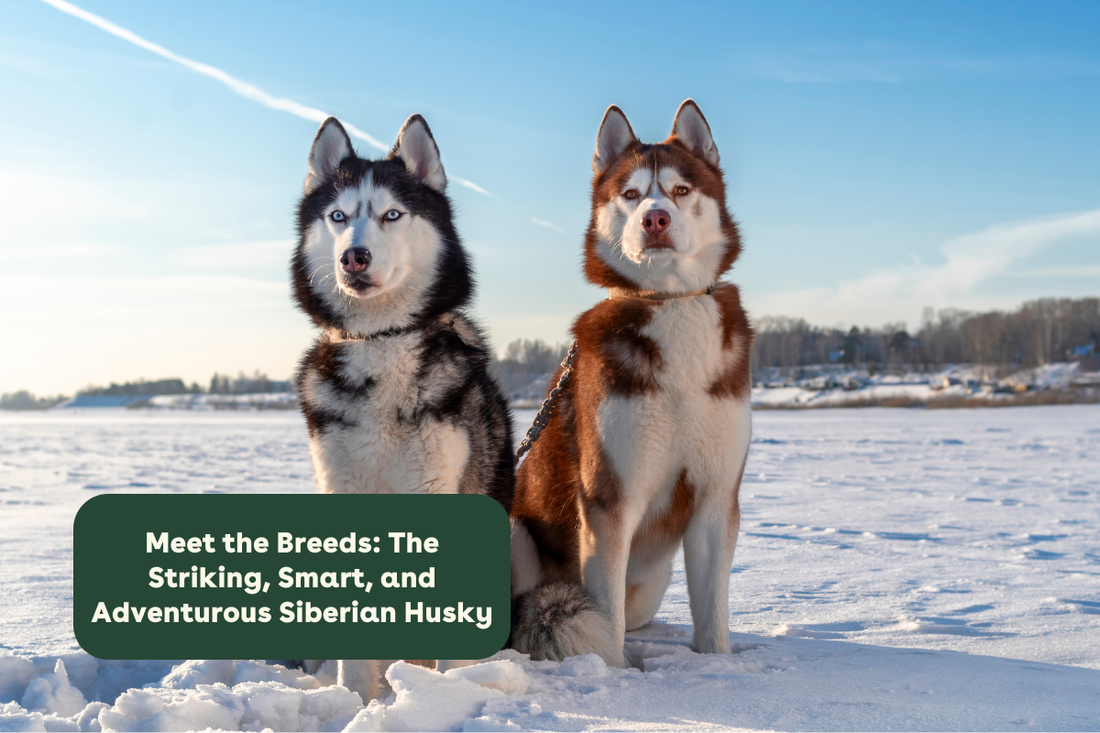
The Siberian Husky is one of those breeds that turns heads everywhere they go — ice-blue eyes, wolf-like features, athletic movement, and a spirit that feels like it was shaped by the northern winds. But behind that striking appearance is a deeply affectionate, people-oriented dog with a rich history and unique care needs.
Whether you’re drawn to the breed’s sled-dog origins or simply love their friendly, social personalities, Huskies are a fascinating combination of beauty, endurance, and companionship. This guide explores their history, development, roles in society, lifespan, health, and everything pup parents should know before bringing home this energetic Arctic companion.
Table of Contents
- History of Siberian Huskies
- Breed Development
- Roles in Society
- Life Expectancy and Health
- Comprehensive Care
- Fun Facts About Siberian Huskies
History of Siberian Huskies

The Siberian Husky’s story begins thousands of years ago among the Chukchi people of northeastern Asia. Living in one of the harshest environments on Earth, the Chukchi relied on hardy working dogs for survival.
These early Huskies weren’t just sled pullers, they were partners, protectors, and even warm nighttime companions. They lived alongside families, slept with children to help them stay warm, and formed tightly bonded relationships with their human pack.
What set these dogs apart was their efficiency. Unlike the larger, heavier sled breeds, Siberian Huskies were designed to travel long distances at a steady pace while conserving energy. The Chukchi used them to transport goods across frozen landscapes, travel between settlements, and hunt in remote areas.
These dogs didn’t merely assist humans; they made life in the Arctic possible.
The breed eventually gained international attention in the early 1900s when Siberian Husky teams were brought to Alaska for sled-dog racing. Their speed and endurance quickly impressed American mushers.
But the moment that truly cemented the Husky’s legacy came in 1925, during the famous “Serum Run to Nome.” In the face of a life-threatening diphtheria outbreak, teams of Huskies and mushers relayed antitoxin across nearly 700 miles of brutal winter terrain. The incredible effort saved countless lives and showcased the Husky’s unparalleled resilience and work ethic.
This event, along with the popularity of sled races, propelled the breed into public admiration. By the 1930s, the Siberian Husky was officially recognized by major kennel clubs, transitioning from remote Arctic working dog to beloved companion around the world.
Breed Development

The Siberian Husky we know today remains remarkably true to the original dogs developed by the Chukchi. Even after decades of global popularity, intentional breeding has preserved their athletic build, social temperament, and efficient working style.
The breed is classified as a medium-sized, Spitz-type dog, characterized by erect ears, almond-shaped eyes, a thick double coat, and a graceful, fluid gait.
One of the Husky’s defining traits is their proportionate build, powerful but not bulky, lean but not fragile. Everything about their structure reflects purposeful design for stamina rather than brute pulling force.
Their double coat is among their most iconic features, consisting of a dense undercoat that traps warmth and a protective topcoat that repels snow, ice, and moisture. This insulation allows them to withstand temperatures as low as –50°F. Yet surprisingly, the coat also helps regulate heat in warmer climates, as long as the dog is properly cared for and never shaved.
Colors vary widely, from black and white to gray, red, sable, agouti, and even pure white. Their eyes may be blue, brown, amber, or heterochromatic (one eye of each color), adding to their dramatic, expressive appearance.
🐶Related Reading: Can Dogs See in the Dark? Understanding Your Dog’s Night Vision | Pupf – Pupford
Temperament has also been carefully preserved. Siberian Huskies are known for their friendliness, curiosity, and remarkable tolerance of humans and dogs alike. Originally bred to work in teams and coexist peacefully in close quarters, they naturally adapt well to families and multi-dog households.
However, part of their development includes the traits that make them independent thinkers. A Husky is not a dog that blindly follows cues, they analyze, process, and make decisions, which historically helped them navigate dangerous Arctic travel.
This independence is part of their charm but can also challenge pup parents unfamiliar with their working-dog mindset.
Roles in Society

Though many people know Huskies primarily for their sledding heritage, their versatility has led them into a variety of modern roles. Their endurance, agility, and alertness make them suitable for many canine activities, while their affectionate nature shines in social settings.
Sledding and Skijoring
Even today, Huskies are widely used in recreational and competitive sledding, both in the U.S. and internationally. In areas without snow, canicross, cart pulling, and bikejoring allow Huskies to exercise using their natural instincts.
Search and Rescue in Winter Environments
Their comfort in snowy, icy conditions makes some Siberian Huskies effective partners for teams searching for lost hikers or avalanche victims. Their ability to cover long distances quickly and stay warm in freezing temperatures can be life-saving.
Long-Distance Exploration and Adventure Dogs
Many outdoor enthusiasts choose Huskies for camping, hiking, and backpacking in cold climates. Their resilience and enthusiasm make them remarkable trail partners.
🐕Check out our 17 Essential Tips for hiking with pups!
Family Companionship and Therapy Work
While Huskies are energetic, their gentle, social nature allows some of them to excel as therapy dogs in hospitals and community programs. They often enjoy interacting with strangers and being the center of attention.
Pop Culture and Breed Popularity
Movies, television, and viral videos have also increased the Husky’s visibility in society. From animated films like Balto to the countless social-media-famous talking Huskies, the breed has become a cultural icon. This popularity, however, has also led to increased adoption by families who may not fully understand the breed’s exercise and training needs.
Overall, Siberian Huskies are adaptable, intelligent, and capable of doing far more than pulling sleds, but their working history continues to inform what they need to be happy in modern homes.
Life Expectancy and Health

A well-cared-for Siberian Husky generally lives 12 to 15 years, which is typical for a medium-sized, athletic breed. They are considered relatively healthy overall, especially compared to breeds prone to more severe structural issues. Still, prospective pup parents should be aware of a few conditions that can affect the breed.
Eye Conditions
Because of their genetics and distinctive eye structure, Huskies are more prone to certain eye issues, including cataracts, corneal dystrophy, and progressive retinal atrophy. Regular veterinary eye exams are essential, especially if you notice increased cloudiness or vision changes.
💖Learn 10 facts about dogs eyes and vision!
Hip Dysplasia
While not as common as in larger breeds, hip dysplasia can still occur. Maintaining a healthy weight and supporting joint health with proper nutrition and exercise can help reduce risk.
Hypothyroidism
Some Huskies may develop thyroid hormone imbalances, which can lead to weight gain, lethargy, and coat changes. This condition is manageable with medication once diagnosed.
Genetic Integrity and Ethical Breeding
Working-line Huskies and responsibly bred companions tend to be healthier overall. Puppy mills or irresponsible breeding can increase the likelihood of inherited conditions. For anyone considering a Husky, choosing an ethical breeder or reputable rescue is extremely important.
Comprehensive Care

Siberian Huskies are wonderful companions, but they thrive best with families prepared to meet their unique needs. Their care revolves around exercise, mental stimulation, grooming, training, and strong bonding.
Exercise Needs
A tired Husky is a happy Husky. These dogs were literally made to run all day, so they do best in active households. Daily exercise often includes long walks, structured running, hiking, or canine sports. Without enough activity, their energy may channel into creative (and destructive) behaviors like digging, chewing, or escaping fences.
🦴Ready to start dog sports with your pup? Learn more here!
Mental Enrichment
Because Huskies are intelligent and independent, they need puzzle games, scent work, training challenges, and problem-solving opportunities. Rotating enrichment activities helps keep their curious minds engaged and reduces boredom.
🐶Related Reading: Whose Walk Is It Anyway? Why You Should Add Choice-Based Enrichment To – Pupford
Grooming
Huskies shed, and not just a little, especially during “blowout” season when they lose their undercoat. Regular brushing helps keep their coat and skin healthy year-round. Bathing should remain occasional, as their coat is naturally clean and odor-resistant.
It's important to note that Huskies should never be shaved, as their double coat protects them from both heat and cold. Shaving disrupts natural temperature regulation and can damage coat texture long-term.
Training
Training a Husky is less about strict obedience and more about building a trusting, respectful relationship. Positive reinforcement works best, encouraging a dog that naturally prefers independence to choose to engage. Early socialization, consistent boundaries, and enrichment-based training help set them up for success.
Diet and Nutrition
Huskies often have efficient metabolisms due to their heritage of long-distance running. High-quality diets with balanced proteins, healthy fats, and controlled calories help maintain energy without excessive weight gain. Some Huskies can be selective eaters, so finding a diet they enjoy while supporting their active lifestyle is key.
🦴Learn how to choose the right food for your pup!
Home Environment
A securely fenced yard is important, Huskies are notorious escape artists who love to explore. They thrive in a household where they are part of daily activities, receive plenty of engagement, and have opportunities to expend energy.
Fun Facts About Siberian Huskies

-
Huskies are famous for their “talking”, a mix of howls, whines, and dramatic vocalizations.
-
Their almond-shaped eyes help reduce snow glare in bright Arctic conditions.
- They can change eye color as they grow, and some have two different-colored eyes due to heterochromia.
-
Despite their thick coats, they tolerate warmer climates surprisingly well thanks to coat insulation and heat regulation.
-
They have incredible spatial awareness and often navigate obstacles or terrain with natural confidence.
-
Huskies were essential to the 1925 serum run, inspiring the famous statue of Balto in New York’s Central Park.
-
Their tails curl over their noses when they sleep outdoors, keeping their faces warm in frigid temperatures.
Recap: The Striking, Smart, and Adventurous Husky
The Siberian Husky is a breed overflowing with character, intelligence, and charm. They’re not the ideal fit for every household, their energy level, independence, and escape-artist tendencies require commitment and consistency. But for pup parents who understand their needs and celebrate their unique quirks, Huskies are loyal, joyful companions who bring adventure, laughter, and endless love into everyday life.
If you’re looking for a dog that embodies both beauty and spirit, with a history rooted in endurance and partnership, the Siberian Husky may be the perfect addition to your family.
🐶Ready to start training your husky? Sign up for 30 Day Perfect Pup!


